I remember my old mentor, a man who smelled like burnt ozone and pipe dope, screaming at me during my first winter in the field. ‘You can’t heat what you can’t touch, kid!’ He was slapping a piece of flex duct that looked more like a strangled python than a conduit for air. This is why airflow matters more than horsepower. You can have a million-BTU furnace in the basement, but if the ductwork is a mess of ‘pookie’ and poor geometry, that back bedroom will always feel like a meat locker. This isn’t magic; it’s physics. Specifically, it’s the physics of thermodynamics and static pressure. When you have rooms that never stay warm, you aren’t looking at a ‘broken’ heater most of the time—you’re looking at a systemic failure of air delivery.
The Airflow Manifesto: Why Your Furnace is Gasping for Breath
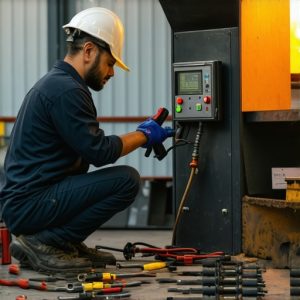
In the North, where the mercury drops and the wind howls off the lake, your heating system is more than a luxury; it’s a survival pod. Most homeowners think the solution to a cold room is a bigger furnace. That is the quickest way to waste ten grand. If your furnace is oversized for your ductwork, it will ‘short cycle.’ It fires up, the heat exchanger gets dangerously hot because there isn’t enough airflow to carry the heat away, and the limit switch shuts it down to prevent a house fire. This constant on-and-off kills the blower motor and cracks the heat exchanger, which is where you start worrying about carbon monoxide. This is why airflow measurement services are the most undervalued tool in a technician’s bag. We use manometers to check the ‘Total External Static Pressure.’ If that number is high, your furnace is essentially trying to breathe through a cocktail straw while running a marathon.
“The most expensive equipment in the world cannot overcome a bad duct system.” – Industry Axiom
When I’m out on a call for wiring repair for heating systems, I often find that the ‘wiring’ isn’t the problem—it’s the thermostat being lied to. If your return air ducts are undersized, the furnace pulls air from the easiest source, usually the hallway right next to the unit. The back rooms? They get nothing. The air just sits there, stagnant and heavy. To fix this, we sometimes have to look at two-stage furnace installation. A two-stage unit doesn’t just roar at 100% capacity all the time. It runs at a lower, quieter speed for longer periods, which allows the heat to actually reach those far-flung corners of the house. You can find more about this in our heating service hacks for comfort and savings in 2025.
Thermodynamic Zooming: The Latent Heat Problem
Let’s talk about ‘Sensible’ vs ‘Latent’ heat. Sensible heat is what you see on the thermometer. Latent heat is the energy stored in moisture. In the dead of winter, the air is bone-dry. Dry air doesn’t hold heat well. It feels thinner, sharper. This is why steam humidifiers are game-changers for those mystery cold rooms. By adding moisture back into the air, you increase the ‘heat capacity’ of the atmosphere inside your home. It makes 68°F feel like 72°F because your skin isn’t losing moisture (and heat) to the dry air through evaporation. If you’re struggling with comfort, check out how furnace repair myths debunked by industry experts can save you from buying equipment you don’t need.
The Gas Line and the Heat Exchanger
Sometimes the mystery is simpler but more dangerous. I’ve seen gas line installation for furnaces where the pipe diameter was too small for the BTU load of the house. When the furnace, the water heater, and the stove all kick on at once, the gas pressure drops. The furnace doesn’t get enough ‘juice,’ the flame looks weak and lazy, and the heat output plummets. This is a job for a pro, not a ‘sparky’ or a DIY-er. If you’re seeing yellow tips on your furnace flames, you have a combustion issue that requires immediate wiring repair for heating systems or gas pressure adjustment. This is part of why identifying when furnace repair is urgent is critical for your safety.
The Cold Room Checklist: Beyond the Furnace
If the furnace is humming but the room is freezing, we look at the extremities. Baseboard heater repair is often necessary in older homes that added additions without expanding the central ductwork. These units are great for supplemental heat, but they are notorious for failing ‘sparky’ connections or air-locked hydronic lines. In a commercial setting, like warehouse heating solutions, we deal with massive volume and high ceilings where the heat just floats away. We use energy recovery ventilators (ERVs) to swap out stale air for fresh air without losing the thermal energy we just spent money to create.
“Standard 62.1 specifies minimum ventilation rates and other measures intended to provide indoor air quality that is acceptable to human occupants and that minimizes adverse health effects.” – ASHRAE Standards
Before you go out and buy a space heater—and if you do, please read up on portable heater safety checks because I’ve seen too many melted outlets—consider a heat pump installation as a secondary heat source. Modern cold-climate heat pumps can pull heat out of the air even when it’s well below freezing. They are incredible for ‘zoning’ those rooms that the central furnace just can’t reach. If you are debating between a repair and a new unit, take a look at choosing the right HVAC fixes to see what makes sense for your budget.
Conclusion: The Physics of Comfort
Comfort isn’t about how hot the air is coming out of the vent; it’s about how that air moves and how it interacts with the surfaces of the room. If your ‘tin knocker’ didn’t size your returns correctly, or if your gas pressure is sagging, or if your ductwork is leaking 30% of its ‘gas’ into the crawlspace, you will never be warm. Don’t be the person who falls for the ‘Sales Tech’ pitch of a new $15,000 system when a simple airflow correction or a two-stage furnace installation would have solved the problem for a fraction of the cost. Get a technician who understands the ‘Suction Line’ and the static pressure, not just a guy who knows how to read a price book. Stay warm, stay safe, and remember: airflow is king.”,”image”:{“imagePrompt”:”A professional HVAC technician in a dimly lit attic using a digital manometer to measure static pressure in a complex network of silver insulated ductwork, highly detailed, realistic lighting, technical atmosphere.”,”imageTitle”:”HVAC Technician Measuring Ductwork Static Pressure”,”imageAlt”:”An HVAC expert checking airflow and static pressure in a home heating system to diagnose cold rooms.”},”categoryId”:0,”postTime”:””}“`of spirits. 11. `052` (O52 – **Rye**) –