The Sound of a Cold Disappointment: When the GFCI Clicks
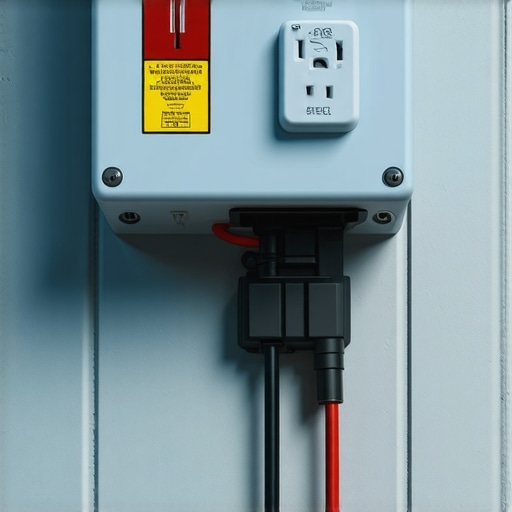
There is a specific, metallic click that haunts every homeowner with a hot tub. It’s the sound of the Ground Fault Circuit Interrupter (GFCI) tripping just as you’re stripping down for a 104-degree soak on a sub-zero night. I’ve spent thirty years crawling through damp crawl spaces and shimmying across icy rooftops, and if there is one thing I’ve learned, it’s that electricity and water are the ultimate dysfunctional couple. When that breaker pops, it isn’t being annoying—it’s trying to keep you from becoming a human heating element.
I remember following a ‘Sales Tech’—one of those guys with the pristine white uniform and the $3,000 iPad—who had just quoted a retired couple $4,500 for a total spa pack replacement. He told them their controller was ‘fried’ and the motherboard was ‘leaking voltage.’ I walked in with my trusty Fluke meter, disconnected the electric heater services lead from the heating element, and reset the breaker. The spa stayed on. The issue? A $40 heating element with a microscopic pinhole in the sheath. That ‘pro’ was ready to gut the whole system for a commission check. I’m here to make sure you don’t get taken for a ride while explaining the thermodynamic reality of why your spa is acting like a paperweight.
The Anatomy of a Fault: Thermodynamic Zooming into the Element
To understand a GFCI trip, you have to understand the physics of the heating element. Think of it like the coils on an electric stove, but submerged in a chemical-heavy soup of chlorine or bromine. Inside that element is a resistive wire, usually nichrome, surrounded by magnesium oxide powder for insulation, all encased in a metal sheath (Incoloy or Titanium). When the element gets old, or the water chemistry is neglected, that outer sheath corrodes. This leads to a ‘leak’—not a water leak you can see, but an electrical leak where current jumps from the wire to the water. This is where the Sparky (electrician) terminology comes in: it’s a ground fault.
“The most expensive equipment in the world cannot overcome a bad duct system, and the finest heating element cannot survive improper water chemistry.” – Industry Axiom
In our northern climate zones, where radiant floor heating installation and high-efficiency boilers are common, we see these ground faults frequently in the winter. The cold water puts immense thermal stress on the metal. When the element expands and contracts, those microscopic cracks open up, allowing water to hit the magnesium oxide. The GFCI is designed to detect a difference in current as small as 5 milliamps. If the ‘juice’ going out on the hot wire doesn’t match what’s coming back on the neutral, the GFCI kills the circuit in 1/40th of a second. It’s the only thing standing between you and a very bad Tuesday.
The Forensic Diagnosis: Isolating the Culprit
If your spa is tripping the breaker, we need to treat it like a draft inducer motor repair or a heat pump installation—we isolate the subsystems. First, we look at the heating element. It is responsible for 95% of GFCI trips. If you disconnect the heater leads (with the power off, obviously) and the breaker holds, you’ve found your ghost. But it isn’t always the heater. Sometimes, it’s the ozonator or the blower motor. In our humid northern winters, moisture can migrate into the air blower housing, creating a bridge to ground. We call this ‘tracking.’ It’s the same way refrigerant leak detection requires a keen eye for oil spots; electrical troubleshooting requires looking for the carbon tracks left by a short.
Speaking of climate, if you are in a cold zone, you likely have crawl space heating solutions or a wall furnace installation nearby to keep pipes from freezing. If your spa is located outdoors, the thermal shock of 30-degree water hitting a 500-degree element is brutal. This is why HVAC maintenance plans are so critical. Just like you wouldn’t run a furnace without checking the flue pipe installation for blockages, you shouldn’t run a spa without a preventative maintenance contract that includes checking the heater’s amperage draw and the health of the GFCI itself. Breakers wear out too; they are mechanical devices with springs and latches that get tired after too many trips.
The Airflow Connection: Why Stagnation Kills Electronics
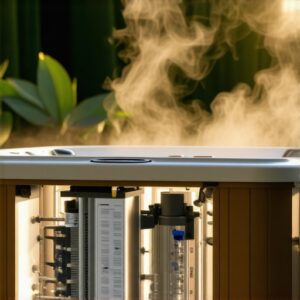
You might wonder what a heat pump installation has to do with a spa. The answer is heat dissipation. Spa packs are often crammed into tight, unventilated wooden cabinets. This lack of ‘airflow’—the king of all HVAC metrics—leads to heat soak on the circuit board. I’ve seen solder joints melt and relays fuse together because the cabinet couldn’t breathe. It’s the same reason we harp on efficient HVAC repairs; if the heat can’t move, the system dies. If your spa pack is constantly overheating, it will eventually trip the GFCI as the internal components break down and start ‘leaking’ current to the chassis.
“Proper venting and clearance are not suggestions; they are the fundamental requirements for the safe operation of any thermal exchange system.” – ASHRAE Standards
If you’re dealing with a persistent trip, it’s time to stop resetting the breaker and start looking at the ultimate guide to ac installation principles—specifically, the electrical load. Is your spa on a dedicated circuit? If the ‘Sparky’ who wired it shared the line with your garage’s electric heater services, you’re going to have a nuisance trip every time the heater kicks on. Modern high-efficiency spas require clean, dedicated power. If you’re unsure how your system was installed, check out AC installation secrets for tips on what a proper electrical setup should look like.
Fixing the Problem: Beyond the ‘Quick Fix’
Don’t be the homeowner who tries to ‘fix’ a tripping GFCI by replacing it with a standard breaker. That is a recipe for a funeral. Instead, look for signs of moisture. Is there a leak from a pump seal dripping onto the motor? In my years of furnace repair myths debunked sessions, the biggest myth is that a ‘trip’ is just a fluke. It’s never a fluke. It’s a symptom. If your spa heater is failing, it’s often because the water pH was too low, eating away the metal. It’s the same way an improperly sized flue pipe installation will rot out a furnace heat exchanger with acidic condensate.
For those in cold climates, if your spa goes down, you have a limited window before the plumbing freezes and cracks. This is why we emphasize identifying when repair is urgent. A tripped spa breaker in January is an emergency. If you can’t find the ground fault, you may need to drain the tub to save the plumbing. We apply the same logic to heat pump installation; we always have a backup plan for when the ‘gas’ (refrigerant) can’t pull enough heat from the bitter air. To stay ahead of these issues, consider preventative HVAC repair tips that apply to all your home’s mechanical systems. Don’t wait for the ‘click’ of the breaker to tell you something is wrong. Listen for the screech of a bearing or the sour, acidic smell of a board beginning to burn. That’s the voice of your equipment telling you it needs help before it quits on the coldest night of the year.