The Physics of the Energy Leak: Why Your ‘Smart’ Home is Still Bleeding Money
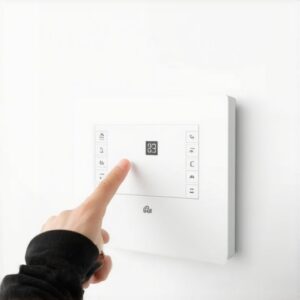
My old mentor used to scream, ‘Efficiency is a ghost—you can’t catch it if the door is open and the brain is dead!’ He’d stand in a 130°F attic, pointing at a sweating evaporator coil, and tell me that airflow matters more than horsepower. He was right. You can buy the most expensive, shiny inverter-driven compressors on the market, but if you don’t control them with the precision of a surgeon, you’re just burning cash to keep the squirrels in your attic warm. For thirty years, I’ve watched homeowners fight their thermostats like it’s a boxing match. They crank it down to 60°F thinking it’ll ‘cool faster’ (it won’t) or they leave the heat at 72°F while they’re at the office for ten hours. That is what I call the Energy Drain. Geofencing temperature controls are the first real ‘brain’ we’ve given these machines, but before you install one, you need to understand the thermodynamic reality of your home.
“The most expensive equipment in the world cannot overcome a bad duct system.” – Industry Axiom
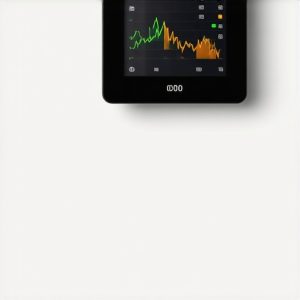
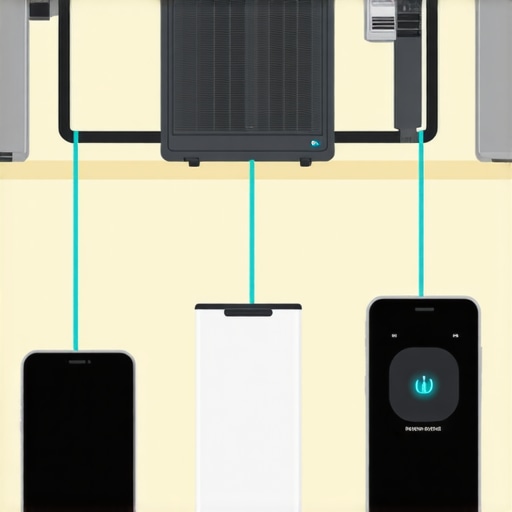
In the North, where we deal with biting winters and the occasional humid heatwave, the way we manage thermal mass is everything. If you are running an oil-to-gas conversion or a high-efficiency hydronic heating system, you aren’t just moving air; you are moving BTUs through mass. Geofencing works by using the GPS on your phone to create a virtual fence around your property. When you cross that line, the ‘brain’ tells the HVAC system to ramp up or down. But here is the kicker that the sales techs won’t tell you: your house has thermal inertia. You can’t just flip a switch and expect a 2,500-square-foot colonial to drop five degrees in ten minutes. This is why AC installation secrets often revolve around how we set up the control logic, not just the ‘juice’ (refrigerant) in the lines.
The Static Pressure Myth and Why Your App Can’t Fix Bad Tin
I’ve seen it a thousand times: a ‘Sparky’ (electrician) or a DIYer installs a fancy geofencing thermostat, and three weeks later, the blower motor is screaming like a banshee. Why? Because they didn’t perform static pressure testing. Your ductwork is the circulatory system of your home. If your ‘Tin Knocker’ (duct installer) sized your returns too small, that smart thermostat is going to try to force the system to meet a setpoint that the physics simply won’t allow. Static pressure is the ‘blood pressure’ of your HVAC. When you use geofencing to aggressively set back temperatures while you’re away, the system has to work at 100% capacity to ‘recover’ the temperature when you get home. If your ducts are choked, that recovery period is going to cook your capacitor and stress your heat exchanger. This is why airflow measurement services are mandatory if you actually want to save money. You can’t just slap a ‘smart’ sticker on a ‘dumb’ duct system and expect a miracle.
The 2025 Regulatory Cliff: R-454B and the Death of R-410A
We are currently standing at a massive crossroads in this industry. By 2025, the refrigerants we’ve used for decades are being phased out in favor of A2L refrigerants like R-454B. These are ‘mildly flammable,’ which sounds scary, but it really just means we have to be more precise than ever. If you are looking at ultimate guide to ac installation, you’ll see that these new systems require sensors and boards that integrate directly with smart controls. A geofencing setup on an older R-410A system is a great band-aid, but on these new systems, it’s part of the safety and efficiency protocol. The ‘gas’ is changing, and the brain of the system has to change with it. If you’re still running an old R-22 ‘clunker,’ you’re not just draining energy; you’re sitting on a ticking financial time bomb.
Combustion Analysis and the Oil-to-Gas Transition
In our climate, many homeowners are tired of the ‘sour’ smell of oil heat and the rising costs of the fuel truck. Moving to an oil to gas conversion is one of the smartest moves for energy stability, but it requires a level of technical precision that a ‘Sales Tech’ isn’t going to mention. When we install a new gas furnace, we perform a combustion analysis. This isn’t just checking for a blue flame. We are measuring CO, CO2, O2, and excess air to ensure the ‘burn’ is perfect. When you tie a geofencing control into a high-efficiency gas furnace, the system uses those readings to modulate the flame. If your technician isn’t using a digital analyzer to check the flue gases, they aren’t finishing the job. This is the difference between a system that lasts 20 years and one that needs urgent furnace repair in five years because of a cracked heat exchanger caused by short-cycling.
“Proper design and control of HVAC systems is the cornerstone of building energy efficiency.” – ASHRAE Standard 90.1
Inverter-Driven Compressors: The Smooth Operator
Standard AC units are like a light switch—they are either 100% on or 100% off. This is incredibly inefficient. Imagine driving your car by flooring it until you hit 60 mph, then turning the engine off until you drop to 55 mph. That’s how a basic AC works. Inverter-driven compressors, however, are like a dimmer switch. They can run at 25%, 50%, or 80% capacity. When you combine this with geofencing, the energy savings are exponential. As you move closer to home, the geofence tells the compressor to ramp up slowly. It doesn’t need to ‘slam’ the system with a massive amp draw to get the house cool. It gently removes the sensible heat and, more importantly, the latent heat (humidity). In the North, even when it’s not 100 degrees, the humidity can make a house feel like a swamp. A slow-running inverter is the only way to pull that moisture out without ‘short-cycling’ the unit into an early grave.
Hydronic Systems and the Thermal Mass Challenge
If you have a hydronic heating system (radiators or baseboard), geofencing is a bit more complex. Water holds heat much longer than air. This is ‘thermal mass.’ If your geofencing is set to turn the boiler on when you are 5 miles from home, you might still walk into a cold house because the water hasn’t had time to circulate and radiate. For these systems, we look at ‘Predictive Start’ algorithms. The control learns how long your specific boiler takes to heat your specific ‘thermal envelope.’ This is where duct design services and proper insulation come into play. If your house is a ‘sieve,’ no amount of smart technology can stop the energy drain. We often recommend financing for heat pump installs to supplement hydronic systems, creating a hybrid approach that handles the ‘shoulder seasons’ with extreme efficiency while the boiler stays dormant until the ‘Polar Vortex’ hits.
The Final Verdict: Is Geofencing the Answer?
Is geofencing a ‘game-changer’? I hate that word. It’s a tool. If your system is leaking ‘gas,’ if your ‘pookie’ (mastic) is peeling off your ducts, or if your blower motor is caked in dust, a smart thermostat is just a fancy clock. But, if you have a system that has been properly commissioned—meaning static pressure testing was done, combustion analysis was performed, and the airflow measurement services proved the ‘tin’ can handle the ‘air’—then geofencing is the ultimate guard against the energy drain. It stops the ‘human error’ of forgetting to turn the air down. It ensures that you aren’t paying to cool an empty house, while protecting the equipment from the stress of ‘panic’ cooling when you get home and find it’s 85 degrees inside. If you’re tired of the ‘Sales Tech’ pitch and want the reality of how these systems work, check out heating service innovations for 2025. At the end of the day, comfort is physics, and physics doesn’t care about your feelings—it only cares about the Delta T and the static pressure. Stop the drain, fix the airflow, and then, and only then, let the geofencing do its job.