The Mentor’s Scream: Why Airflow Dictates Everything
My old mentor used to scream at me until his neck veins turned purple, ‘You can’t heat what you can’t touch!’ I was twenty years old, shivering in a crawlspace in the middle of a January freeze, trying to figure out why a wall furnace installation wasn’t keeping the bedrooms above sixty degrees. He wasn’t talking about the fire; he was talking about the air. In the thirty years since, whether I’m performing a heat pump replacement or a complex industrial heater services overhaul, that lesson has remained the bedrock of my career. If the air isn’t moving across the heat exchanger at the right velocity, you aren’t heating the house; you’re just cooking the equipment. This is especially true when we talk about our elderly parents. They don’t just need warmth; they need a system that won’t fail when the mercury drops to zero, and they need a way for us, their kids, to know it’s working without driving three hours to check a thermostat.
The Forensic Diagnosis: Anatomy of a Failing System
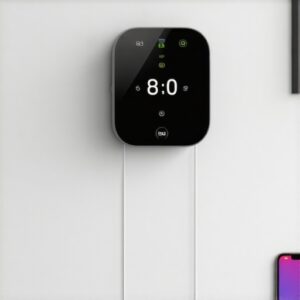
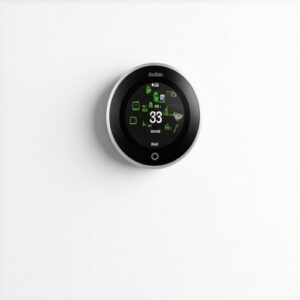
When I walk into a mechanical room, I’m not looking at a ‘heater.’ I’m looking at a thermodynamic assembly. You have the heat exchanger, the heart of the beast, where the combustion gases transfer their energy to the household air. You have the limit switch, the safety gatekeeper that shuts everything down if the tin gets too hot. And in modern high-efficiency units, you have the draft inducer, a small motor that smells like ozone and hot metal when it’s about to seize. If your parents are still using an old mercury-bulb thermostat, they are flying blind. They can’t see the ‘short cycling’ that happens when a filter is clogged with dust, forcing the system to hit the high-limit and shut down every ten minutes. This mechanical stress is what leads to a premature limit switch replacement or, worse, a cracked heat exchanger. By the time they realize the house is cold, the pipes are already at risk of bursting. That’s where predictive maintenance alerts via app-controlled systems become more than just a tech gadget; they are a mechanical insurance policy.
“The most expensive equipment in the world cannot overcome a bad duct system.” – Industry Axiom
Thermodynamic Zooming: How Heat Actually Moves
Let’s talk physics, not sales fluff. When we discuss radiant floor heating installation or a standard forced-air furnace, we are managing the delta-T—the difference in temperature. In a cold climate like the Northeast or Chicago, the air is dry and brittle. A furnace works by pulling that cold, dense air through the return, heating it, and pushing it back out. If the system is oversized—a classic mistake by ‘Sales Techs’—it heats the air too fast, the thermostat clicks off, and the ‘heat’ never actually reaches the bones of the house. The elderly, whose circulation isn’t what it used to be, feel this as a constant draft. App-controlled systems, especially those paired with variable-speed blowers, allow for ‘long, low’ run times. This creates a consistent thermal envelope. Using a smart interface, you can monitor the combustion analysis data remotely in some high-end setups, ensuring the fuel-to-air ratio is perfect and not pumping excess carbon monoxide into the flue. If you’re wondering about the health of your current setup, checking out how to identify when furnace repair is urgent and why can save you a 3 AM emergency call.
The 2025 Regulatory Cliff and Low-GWP Refrigerants
We are currently standing at the edge of a massive industry shift. The EPA is phasing out older refrigerants in favor of low-GWP refrigerant retrofits and new A2L standards. These new gases, like R-454B, are ‘mildly flammable,’ which sounds scary but really just means we need better sensors and smarter controls. If you are looking at a heat pump replacement for an elderly parent’s home this year, you aren’t just buying a box; you are buying a sophisticated computer that manages heat transfer at a molecular level. This is why I always push for solar thermal heating integration or hybrid systems where possible. A smart thermostat allows you to toggle between the electric heat pump and the gas backup based on the outdoor ambient temperature, ensuring the system never ‘locks out’ during a polar vortex. This level of control is why heating service innovations transforming 2025 climate control are so critical for long-term planning.
“Properly designed and installed HVAC systems shall provide a comfortable indoor environment regardless of outdoor conditions.” – ACCA Manual RS
The ‘Tin Knocker’s’ Perspective on Airflow
Don’t let a ‘Sparky’ or a general handyman tell you that ‘any thermostat will do.’ Airflow is king. If the static pressure in the ducts is too high because someone used too much ‘Pookie’ (mastic) or restricted the returns, a smart thermostat will actually tell you. It monitors the static pressure and will send a predictive maintenance alert to your phone saying ‘Airflow Restricted.’ For a senior living alone, they might not notice the ‘whir’ of the fan getting louder or the ‘metallic pinging’ of the ducts expanding under high heat. But you will. This is the same logic we use in multi-family heating upgrades: centralized monitoring saves thousands in labor. If you’re trying to extend the life of an aging unit, you need to understand top hvac repair strategies to extend your systems life before the heat exchanger gives up the ghost.
The Scam of the ‘Topping Off’ and Why Combustion Matters
I’ve seen it a thousand times: a tech tells a senior they need to ‘top off the juice’ every year. Refrigerant is a sealed system; if it’s low, there’s a leak. Similarly, in heating, if someone isn’t performing a combustion analysis every year, they aren’t doing a tune-up. They’re just looking at the equipment. A smart system can track the run-time and efficiency drops that indicate the burners are getting ‘sooty’ or the wall furnace installation was done poorly with incorrect venting. This is why I always recommend preventative hvac repair tips for year-round efficiency. It’s about the physics of the burn. If the flame isn’t ‘beer can cold’ (okay, that’s an AC term, let’s say ‘laser blue’), you’re wasting money and risking safety. For parents, the ‘set it and forget it’ nature of a smart system means they don’t have to squint at a tiny dial. You can set the schedule for them, ensuring the house is a crisp 72 degrees during the day and a safe 68 at night.
Final Verdict: Comfort is Physics
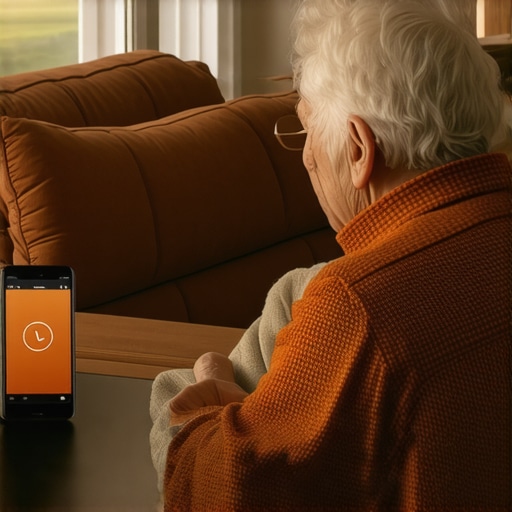
At the end of the day, my job isn’t to sell parts; it’s to manage the ‘Suction Line’ and the ‘Discharge Line’ of life. We want our parents to be safe. We want to avoid the acidic, sour smell of a compressor burnout or the terrifying silence of a furnace that’s tripped its limit. Investing in app-controlled systems is about bridging the gap between old-school mechanical reliability and modern digital oversight. Whether it’s a heat pump replacement or a simple limit switch replacement, knowing the state of the system from your smartphone is the ultimate peace of mind. If you’re ready to get serious about their comfort, you can contact us to discuss a blueprint for their home. Remember, a house is just a box until you get the airflow right.”, “image”: {“imagePrompt”: “A high-tech smart thermostat displayed on a modern smartphone screen, showing a heating schedule and a green ‘System Healthy’ status, with a blurry background of a cozy, warm living room where an elderly couple is relaxing.”, “imageTitle”: “Smart Heating Remote Monitoring for Seniors”, “imageAlt”: “Smartphone app controlling a home heating system for elderly safety”}, “categoryId”: 1, “postTime”: “2025-05-15T10:00:00Z”}