The Thermodynamic Physics of Extreme Cold and Why Old Rules are Dead
For thirty years, I have listened to self-proclaimed HVAC gurus repeat the same outdated sermon: “Heat pumps don’t work below freezing.” That old-school thinking belongs in the graveyard. Back in the days of reciprocating compressors running on R-22, yes, when the outdoor temperature dropped to 32°F, the system lost its capacity to extract warmth, leaving you shivering while your electric meter spun like a ceiling fan on high. But the laws of thermodynamics didn’t change; our engineering did. Today’s cold climate heat pumps are a marvel of fluid dynamics and refrigeration engineering, capable of squeezing usable heat out of sub-zero outdoor air down to -15°F and beyond. Understanding this technology is essential for modern comfort, especially if you want to avoid getting scammed by a slick sales tech who wants to tear out your ductwork and sell you a basic, oversized fossil-fuel furnace.
“The heat pump is the only thermodynamic system that can deliver more useful energy as heat than it consumes in electrical energy.” – ASHRAE Fundamentals Handbook
My old mentor used to scream, “You can’t cool what you can’t touch, and you can’t heat what you don’t understand!” He was a grizzled old tin knocker who could calculate duct static pressure in his sleep. One freezing January morning in upstate New York, with the wind howling off the lake at -5°F, he sat me down in front of a frozen, iced-over heat pump. “Look at that coil,” he growled, pointing at the frost buildup. “That’s not a failure of the machine. That’s a failure of the installer who didn’t calculate the latent load and physical airflow.” That lesson stuck with me for three decades. Airflow and system design dictate everything in this business, and if you get the math wrong, the best compressor on the planet is just an expensive paperweight. This is why getting professional HVAC load calculation services is the non-negotiable first step of any system design.
The Core Anatomy: Vapor Injection and Variable-Speed Compressors
To understand how a cold climate heat pump defies the old winter limits, you have to look at the heart of the machine: the compressor. Traditional heat pumps run on a single-speed compressor that operates on an all-or-nothing basis. When the ambient temperature drops, the density of the vaporized refrigerant (the “gas”) returning to the compressor decreases. This means less mass flow of refrigerant through the system, destroying your heating capacity right when you need it most. Cold climate heat pumps solve this utilizing flash gas bypass or vapor injection technology. By injecting a portion of intermediate-pressure refrigerant vapor directly into the compression chamber mid-cycle, we cool the compressor internals while significantly boosting the mass flow rate of the refrigerant. This maintains high heating capacities even when the outdoor air is cold enough to freeze brass.
Alongside vapor injection, variable-speed inverter compressors act as the brains of the operation. Instead of shutting off and restarting continuously, these systems modulate their speed in tiny increments. They can run at 110% capacity during a historic polar vortex, or drop down to 20% capacity on a mild autumn afternoon. This precise control is critical for maximizing COP (Coefficient of Performance). While standard electric resistance heat has a COP of 1.0 (1 watt of electricity equals 1 watt of heat), a high-performance cold climate heat pump can maintain a COP of 2.0 to 3.0 at sub-zero temperatures. This means it is 200% to 300% more efficient than electric baseboards or space heaters. Homeowners looking to transition to these systems can benefit from heating service innovations transforming 2025 climate control to maximize their energy savings.
The Climate Zone Battle: Managing Frost, Defrost, and the Polar Vortex
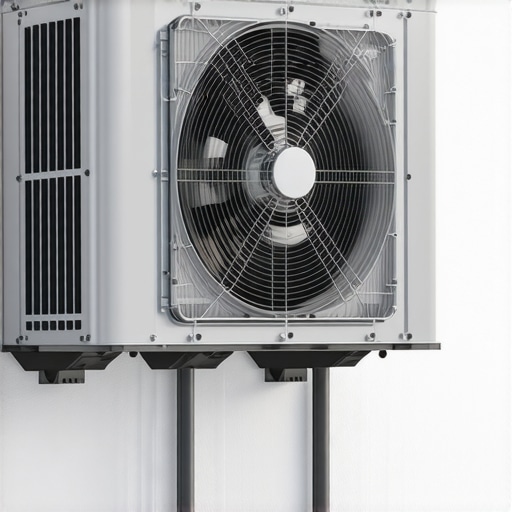
In cold northern climates, the primary enemy of a heat pump is not just the absolute temperature; it is the moisture in the air. As the outdoor coil absorbs heat, its temperature drops below the freezing point of water. Moisture in the air condenses onto the aluminum fins and freezes instantly. If left unchecked, this ice acts as an insulator, choking off the airflow and causing the suction line to lose its heat-exchange capacity. Modern cold climate systems use microprocessors to execute demand-defrost cycles. Instead of running a dumb timer every 60 minutes, these smart boards monitor the temperature difference between the outdoor coil and the ambient air. When they detect a restriction, they temporarily reverse the refrigerant flow, turning the outdoor coil into a condenser to melt the ice in minutes before switching back to heating mode.
To safeguard against extreme cold weather, many engineers specify dual fuel heat pump systems. This setup pairs an electric heat pump with a high-efficiency auxiliary gas or propane furnace. When the outdoor temperature drops past the thermal balance point—where the heat pump can no longer meet the home’s heat loss—the system automatically shuts off the compressor and fires up the gas furnace. This dual approach ensures you never pay for expensive electric backup strip heat, which is the quickest way to send your utility bill into the stratosphere. It also provides peace of mind if you live in an area prone to severe winter storms.
The Critical Role of Building Science: Airflow, Insulation, and Duct Integrity
Installing a highly engineered cold climate heat pump onto an uninsulated house with leaky, undersized ducts is like putting a Ferrari engine inside a rusty golf cart. Airflow is king, and static pressure is the tyrant that rules it. If your return air duct is too small, the blower motor has to work twice as hard to move air across the indoor coil. This restricts heat transfer, forces the compressor to run hotter, and eventually leads to catastrophic component failure. Before installing any new system, we must perform a Manual J load calculation to determine the exact heat loss of each room, followed by a Manual D duct design to ensure the tin knockers run the right size trunk lines.
“Duct systems must be designed and installed to deliver the air volume required by the equipment, or the system will fail to meet its rated efficiency and capacity.” – ACCA Manual D Duct Design Standard
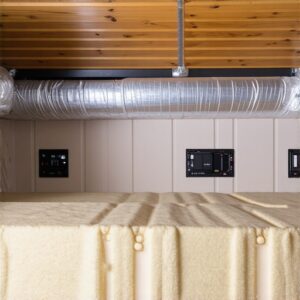
In addition to proper duct design, the building envelope itself must be sealed. Installing thick attic insulation for heating is one of the most cost-effective ways to lower your home’s heating load. If your attic is drafty, the rising warm air simply escapes through the ceiling, pulling cold air in through your windows and crawl spaces. By sealing those thermal bypasses and insulating the attic deck, you keep the warmth inside, allowing your heat pump to run at lower, more efficient compressor speeds.
Selecting and Certifying Your Heating System for Financial Rewards
Choosing the right cold climate system requires looking beyond the marketing brochures. You want to search for equipment that carries the Energy Star heating certification. This badge indicates the equipment has met strict efficiency standards set by the EPA, ensuring it delivers high COP ratings in real-world winter conditions. Many local utilities and federal programs offer thousands of dollars in incentives for these certified installations. Navigating the paperwork can be tricky, which is why working with a professional who offers rebate application assistance is crucial for getting your hard-earned money back into your pocket.
For specialized properties, such as historic masonry buildings or church heating systems, the engineering must be even more precise. Large open spaces with high ceilings present massive thermal challenges. In these cases, we often combine centralized heat pumps with localized ductless mini-splits to heat the structure efficiently without wasting energy on unoccupied zones. If the property uses old masonry chimneys for venting water heaters or auxiliary systems, a professional chimney liner installation is mandatory to prevent combustion gases from condensing inside the brickwork and damaging the building structure.
Avoiding Common Pitfalls and Maintaining Peak Efficiency
Whether you have a cutting-edge cold climate heat pump or a standard furnace-and-AC split system, maintenance is the shield that protects your investment. In drier, hotter climates, keeping up with swamp cooler maintenance is the key to summer comfort, but in cold regions, keeping the outdoor coil clean and free of snow accumulation is vital. Shovel out your heat pump after a heavy snowfall; if the outdoor fan motor cannot draw air through the coil because it is buried in a drift, it will fail, and you’ll find yourself paying an emergency diagnostic fee on a Sunday afternoon.
Keep an eye on your domestic hot water source as well. Often overlooked, a water heater works harder in the winter because the incoming groundwater is significantly colder. If you notice rusty water or a slow recovery time, scheduling a hot water heater repair before the tank fails can prevent a major flood in your basement. When designing a system for a new construction heating design, always integrate the heating, cooling, ventilation, and water heating into a singular, cohesive plan. This holistic approach guarantees that all mechanical systems work in harmony, delivering the efficiency, reliability, and comfort that modern engineering promises.