The Death of the Soot-Stained Giant
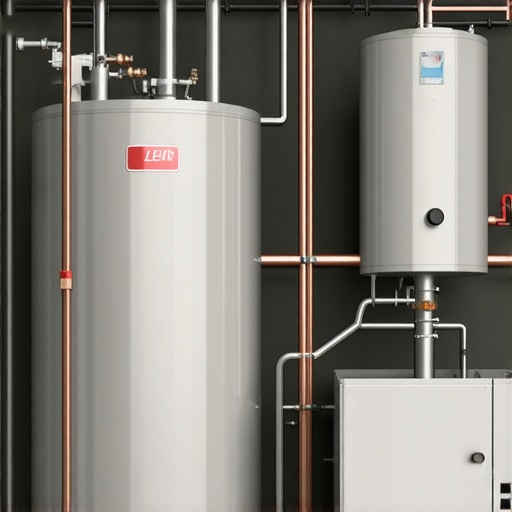
If you have lived in the Northeast for any length of time, you know the sound. It is a low, guttural rumble that starts in the basement and vibrates through the floorboards. It is the sound of an oil burner firing up, a technology that belongs in the era of coal shovels and steam locomotives. I have spent thirty winters in frozen crawlspaces and soot-choked mechanical rooms, and I can tell you that the smell of #2 heating oil is the smell of money burning poorly. Many homeowners are clinging to these relics because they fear the upheaval of an oil to gas conversion, but let me tell you, the physics of modern combustion does not care about your nostalgia. When we look at warehouse heating solutions or residential hydronic heating systems, the efficiency gap is widening into a canyon. [image_placeholder_1]
The Physics Lesson: Why Airflow and Heat Exchange are King
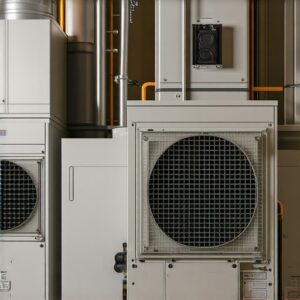
My old mentor, a man we called ‘Iron Lung’ Larry because he could diagnose a burner by the smell of the exhaust, used to scream at me, ‘You can’t heat what you can’t touch!’ This was not some cryptic riddle; it was a fundamental lesson in thermodynamics. He was talking about the surface area of the heat exchanger. In an old oil-fired boiler, you are dealing with a massive amount of sensible heat, but most of it is escaping up the chimney. If you cannot transfer that energy to the air or the water in your pipes, you are just heating the neighborhood squirrels. This is why hydronic heating systems require a precise balance of flow and temperature. When you switch to gas, the combustion is cleaner and more controllable, allowing for a secondary heat exchanger that captures the latent heat—the energy released when water vapor in the exhaust turns back into liquid. This is how we get those 95% AFUE ratings that make oil systems look like charcoal grills by comparison.
“Proper equipment sizing is paramount to ensuring the longevity of the heat exchanger and preventing premature fatigue.” – ACCA Manual J
The Forensic Diagnosis: Why Your Oil System is Failing You
Let’s do a forensic breakdown of your current oil beast. You are likely dealing with a pump that is screaming for mercy, a cad cell that is covered in carbon, and an oil tank that is slowly corroding from the inside out due to microbial growth in the sludge at the bottom. I followed a guy last week—one of those ‘Sales Techs’ who looks like he has never touched a pipe wrench—who told a homeowner her oil burner was ‘fine’ but needed a $4,000 ‘upgrade kit.’ That is a scam. For that price, you are halfway to a high-efficiency gas furnace that will not leave a film of soot on your curtains. When we perform an oil to gas conversion, we are not just swapping the ‘juice’ (the fuel); we are upgrading the entire brain of the home. This often includes thermostat wiring upgrades to handle the multi-stage logic of modern gas valves and furnace ignition repair protocols that replace old-school standing pilots with hot surface igniters. If you are noticing signs that your system is on its last legs, you should learn how to identify when furnace repair is urgent and why to avoid a mid-January disaster.
The Logistics of the Swap: Pookie, Tin Knockers, and Sparkies
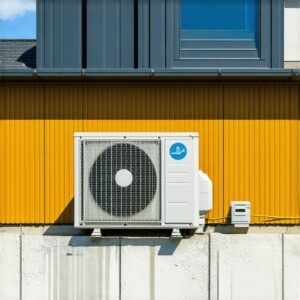
A real conversion is a dance between three trades. First, you have the ‘Tin Knocker’ (the duct guy) who has to modify the plenum. If the transition from the new furnace to the old ductwork is not sealed with ‘Pookie’ (mastic), you are losing 15% of your airflow before it even reaches the first register. Then comes the ‘Sparky’ (the electrician) to wire up the new dedicated circuit and the gas solenoid. Finally, the HVAC tech sets the gas pressure. We are looking at more than just a furnace. Many homeowners in our cold climate find that gas heat is ‘sharper’ or ‘drier,’ which is why we often integrate steam humidifiers during the installation to maintain comfort. If you have rooms that the old radiators never reached, we might even suggest a ductless mini-split installation to fill the gaps. This is about total climate control, not just swapping one box for another. You can find more heating service hacks for comfort and savings in 2025 to see how these systems integrate.
The Myth of the Cheap Fix
I see it every day: a homeowner tries to limp an old system through one more season with capacitor replacement services and a prayer. While a capacitor is a vital organ in your system’s electrical heart, it cannot fix a cracked heat exchanger in an oil furnace. There are many furnace repair myths debunked by industry experts, but the most dangerous one is that oil is ‘safer’ or ‘hotter.’ Modern gas systems have redundant safety switches—rollout sensors, pressure switches, and flame sensors—that make an old oil burner look like a ticking time bomb. For those looking for the ultimate in future-proofing, solar thermal heating integration can even assist your new gas boiler in providing domestic hot water, slashing your utility bills even further. If you are ready to stop being a slave to the oil truck, it is time to contact us and get a real technician—not a salesman—to look at your basement. Keep in mind, as ASHRAE Standard 62.2 reminds us, ‘Ventilation and acceptable indoor air quality in residential buildings require a holistic approach to mechanical systems.’ This transition is your chance to get it right.