The Anatomy of a Heat Exchanger Hijack
I followed a ‘Sales Tech’ last Tuesday who nearly pulled off a heist that would make a bank robber blush. He had quoted a homeowner in a drafty Victorian three towns over a staggering $14,500 for a full furnace and heat pump installation. His reasoning? A ‘failed’ heat exchanger. When I rolled up for the second opinion, I didn’t see a crack. I saw a thick, fuzzy blanket of soot and oxidation that hadn’t been touched since the Clinton administration. That $14,000 ‘death sentence’ was actually just a system gasping for air. A thorough cleaning and a furnace tune-up services call later, and that unit was humming at its original AFUE rating. The homeowner didn’t need a new furnace; she needed the soot-insulation removed so her gas could actually heat her air instead of the chimney bricks.
“The most expensive equipment in the world cannot overcome a bad duct system.” – Industry Axiom
Thermodynamic Zooming: Why Soot is Your Wallet’s Worst Enemy
To understand why a dirty heat exchanger kills your bank account, you have to look at the physics of heat transfer. Inside your furnace, the gas burns inside a metal chamber—the heat exchanger. Your blower motor pushes cold house air over the outside of that metal. In a perfect world, the heat moves from the fire through the metal and into your air. But soot is a phenomenal insulator. When a layer of carbon builds up, it creates a thermal barrier. This is the ‘Thermodynamic Wall.’ Your burners are firing at full blast, consuming ‘gas’ (refrigerant is for summer, but we call the fuel gas here), yet the heat can’t get through the soot. Instead of heating your living room, that expensive heat is lost out the flue pipe. You’re essentially paying to heat the squirrels on your roof.
The Forensic Diagnosis: Anatomy of a Heating Failure
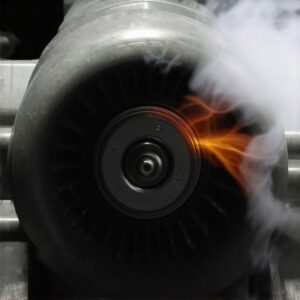
When I perform an annual heating inspection, I’m looking for the ‘Mechanical Anatomy’ of the system. It starts with the blower motor. If that motor is dragging due to a bad bearing, it won’t move enough air over the exchanger. This causes the metal to overheat, cycle on the high-limit switch, and eventually crack. That’s when you go from a high gas bill to a 24/7 heating emergency response because your CO detectors are screaming. I’ve seen furnace repair is urgent situations where a simple blower motor replacement or a $50 capacitor replacement services could have prevented a catastrophic heat exchanger failure. It’s all connected—the relay services, the control board, and even that fancy voice control setup Alexa Google you installed. If the brain tells the furnace to run, but the lungs (airflow) are clogged, the heart (heat exchanger) is going to explode.
“Unvented or poorly maintained combustion appliances can release nitrogen dioxide and carbon monoxide into the indoor environment, posing significant health risks.” – ASHRAE Standard 62.1
Climate Zone Crisis: The Northern Winter Trap
Up here in the cold zones, we deal with sensible heat transfer more than our cousins down south deal with latent heat. When the mercury drops to zero, your furnace might run for 18 hours a day. If your heat exchanger is dirty, those 18 hours are 30% less efficient. That’s hundreds of dollars a month literally evaporating. Many folks ask about an oil to gas conversion to save money, but even the cleanest gas burner will fail you if you don’t maintain the heat transfer surfaces. I’ve had to perform preventative hvac repair tips on brand-new units because the homeowners were doing renovations and the ‘Tin Knocker’ didn’t seal the returns, sucking drywall dust directly onto the damp secondary heat exchanger. It turned into a layer of concrete.
The Scam vs. The Science
The ‘Sales Tech’ loves a dirty heat exchanger because it’s easy to photograph and call it ‘corrosion.’ Don’t fall for it. Real corrosion is flaking metal; soot is just a mess. Before you sign for a $10,000 replacement, demand a combustion analysis. This tool measures the efficiency and the CO output. If the numbers are off, a deep cleaning is the first step, not the last. While you’re at it, have the tech check your portable heater safety checks; if you’re using those to supplement a failing furnace, you’re just trading a gas bill for a fire hazard. Comfort is physics, not magic. Keep the metal clean, keep the airflow high, and keep your ‘Pookie’ (mastic) tight on the ducts. That is the only way to win against the utility company this winter. If you’re smelling something sour or hearing a screech, don’t wait. Contact us before the ‘Sparky’ has to come out to fix a fried blower circuit.