What Your Long Island Egress Company Isn’t Telling You About Basement Humidity
If you are a homeowner in Nassau or Suffolk County, you already know that space is at a premium. Converting a dark, damp basement into a legal bedroom or a vibrant living area is one of the smartest ways to increase your home’s square footage and market value. However, to do it legally and safely, a Long Island egress window installation is non-negotiable. New York State building codes require a specific size of exit for any “habitable space,” and for most homeowners, this means cutting a massive hole in their foundation. While the benefits of safety, natural light, and legal compliance are clear, there is a technical side to this project that most sales-focused contractors won’t mention: the radical change in your basement’s micro-climate.
A professional basement egress window installation typically costs between $8,000 and $15,000. For that investment, you expect a safer home, not a mold factory. Yet, without a deep understanding of thermodynamics and soil mechanics, that new window can become the primary source of humidity and moisture problems. As someone who has spent years in the trenches of basement waterproofing and foundation repair, I’ve seen thousands of projects where the window was “installed,” but the environment was destroyed. Here is what your Long Island egress company isn’t telling you about the air you breathe downstairs.
The Physics of the “Hole in the Wall”: Why Egress Changes Your Air
When we perform a basement egress window installation, we aren’t just putting a window in a wall; we are creating a massive thermal bridge. Your foundation was originally designed as a continuous thermal mass of concrete or block. By cutting a 4-foot by 4-foot hole (or larger) and replacing it with glass and a frame, you have fundamentally altered how heat moves in and out of your home. Glass, even high-efficiency double-pane glass, has a much lower R-value than a standard foundation wall.
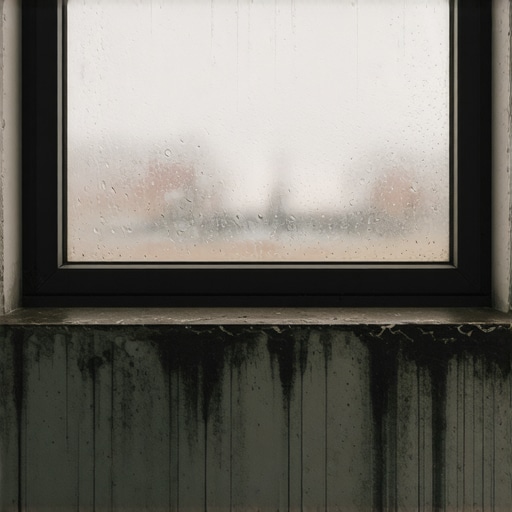
This creates a “cold spot” during Long Island winters and a “hot spot” during our humid summers. In the summer, the air outside is laden with moisture. When that warm, moist air makes contact with the cooler surfaces of your basement – surfaces that are now being influenced by the heat transfer through the egress window – condensation occurs. This is the same principle as a cold soda can sweating on a July day. If your contractor hasn’t accounted for this, your “new bedroom” will quickly develop that signature musty basement smell.
Furthermore, the physical act of digging a large well next to your foundation changes the soil pressure and how water flows around your home. You are essentially creating a giant funnel. If the soil isn’t managed correctly and the well isn’t integrated into a larger moisture management strategy, you are inviting hydrostatic pressure to push moisture through the window frame and the surrounding masonry. This is why How HVAC load calculation services solve the persistent humidity problem is a conversation you need to have before the first shovel hits the dirt.
3 Things Most Long Island Egress Installers Skip (And Why Your Basement Feels Damp)
In my experience, egress window contractors often prioritize the “look” of the finished product over the engineering required to keep the basement dry. When you are vetting egress installers, you need to look for these three critical shortcuts that lead to long-term dampness.
1. Improper Drainage Integration
This is the most common failure. Many basement egress window installation companies will dig the hole, throw in some gravel at the bottom of the well, and call it a day. In the sandy soil of Long Island, this might work for a light drizzle, but during a Nor’easter, that well will fill up like a bathtub. A professional installation must tie the window well drain directly into the home’s footing drains or, at the very least, into a dedicated dry well located several feet away from the foundation. Without a clear path for water to escape, that water sits against your foundation, increasing local humidity and risking a catastrophic leak.
2. Thermal Bridging and Well Material Choice
Many egress window installation projects utilize corrugated metal window wells because they are cheap and easy to install. However, metal is an incredible conductor of heat. In the winter, the metal well becomes freezing cold, chilling the air inside the well and the window frame itself. This leads to massive condensation on the interior glass. High-quality egress window installers often recommend composite or polycarbonate wells that offer better insulating properties, reducing the temperature differential that causes moisture to pull out of the air.
3. Sealant Failure and “The Caulk Trap”
Standard window caulk is designed for wood-to-vinyl or vinyl-to-siding applications. It is not designed for the extreme expansion and contraction that happens between a poured concrete foundation and a window frame. I often see egress window long island projects where the contractor used basic silicone. Over one or two seasons, the bond breaks. You might not see a “leak,” but “vapor drive” allows moisture-laden air to seep through those microscopic gaps. You need to know How to spot a Long Island egress window contractor who is cutting corners on your foundation before the drywall goes up and hides these mistakes.
The Long Island Factor: High Water Tables and Sandy Soil
Geography matters. A Long Island egress company must understand that our soil isn’t the same as the clay found in the Hudson Valley or the rocky terrain of Connecticut. On the South Shore, from Babylon to Patchogue, we deal with incredibly high water tables. In these areas, an egress well can actually act as a “window into the water table” if not handled with extreme care.
Even on the North Shore, where the soil is sandier and drains better, we face the issue of “fines” – tiny particles of silt that eventually clog up the gravel at the bottom of a window well. Clogged window wells are the #1 cause of egress-related flooding in Nassau and Suffolk counties. When the drain clogs, the water level rises until it hits the window sill. Most egress windows are “weathertight” but not “watertight.” Once the water level rises above the frame, it’s coming inside.
This localized water pressure doesn’t just cause floods; it causes a constant state of high humidity as water evaporates out of the saturated soil in the well and finds its way into your home. This is a primary reason why you should investigate What Most Long Island Egress Window Installers Hide About Foundation Water Damage. If your contractor doesn’t mention the water table, they aren’t doing their job.
Beyond the Glass: Why You Need an HVAC Load Calculation
One of the biggest mistakes homeowners make is assuming their existing HVAC system can handle the newly finished basement space. When you add a basement egress window installation, you are usually doing so to create a bedroom. This means you are adding occupancy (more people breathing and sweating), more square footage to condition, and a new source of heat gain/loss (the window).
Your air conditioner doesn’t just cool the air; it removes moisture. If your system is underpowered for the new “load” of the basement, it won’t run long enough to effectively dehumidify the space, or it will run constantly and still leave the air feeling clammy. This is why Why HVAC load calculation services are the key to a dry, comfortable basement. A professional should evaluate how that “hole in the wall” changes the CFM (cubic feet per minute) requirements for your basement.
Furthermore, basement air is naturally heavier and more stagnant. Adding an egress window provides an exit for people, but it doesn’t necessarily provide the balanced air circulation needed to prevent mold. In many cases, we recommend looking into how Why a whole-home humidifier beats portable units every time – or more accurately in the basement’s case, a whole-home dehumidification and air exchange system – to ensure the air remains fresh and the humidity stays below 50% year-round.
Maintenance Secrets to Keep Your Egress Dry
Even the best egress window installation company can’t prevent the passage of time. Once your window is in, the responsibility for its performance shifts to you. To prevent your egress from becoming a humidity source, follow these pro tips:
- The Spring Drain Check: Every March, take a garden hose and pour water into the drain at the bottom of the well. If it doesn’t disappear instantly, your drain is clogged with Long Island silt or debris. Clean it out before the spring rains hit.
- Seal Inspection: Once a year, inspect the perimeter where the window frame meets the concrete. If you see any daylight or feel a draft, the sealant has failed. Use a high-quality polyurethane sealant specifically rated for masonry.
- The Cover is Key: Never leave an egress well uncovered. A high-quality, UV-resistant polycarbonate cover keeps out rain, snow, and leaves. More importantly, it creates a “buffer zone” of air that helps insulate the window, reducing condensation.
- Gutter Management: Ensure your roof gutters aren’t discharging anywhere near the egress well. A single heavy downpour can dump hundreds of gallons of water into your well if your downspouts are misdirected.
For tech-savvy homeowners, I always suggest Integrating a leak detector with your HVAC to stop basement floods before they start. Placing a smart sensor at the base of your egress window well can alert your phone the second water begins to pool, giving you time to act before your basement bedroom is ruined.
Conclusion: Making Your Basement Safe and Dry
A Long Island egress window installation is one of the best investments you can make in your home, but it is not a “set it and forget it” project. It is a major structural and environmental change. The difference between a basement that feels like a luxury suite and one that feels like a cave comes down to how you manage the humidity and water that the egress window invites.
Don’t settle for a Long Island egress window contractor who only cares about the “cut and kick” (cutting the hole and kicking the dirt back in). You need a partner who understands the relationship between your foundation, your soil, and your HVAC system. At Heat Pros Services, we don’t just install windows; we manage the climate of your home from the ground up.
If you’re ready to transform your basement into a safe, dry, and legal living space, don’t leave the details to chance. Contact Us today for a comprehensive consultation on your next egress project. Let’s make sure your new basement is as healthy as it is beautiful.