The Sound of a Frozen Silence
It is 3:00 AM in the middle of a February polar vortex, and the only thing colder than the wind-chill outside is the air coming out of your vents. You hear the click of the thermostat, the groan of the inducer motor, but the fire never arrives. Most homeowners panic and call the first number on Google, usually ending up with a ‘Sales Tech’ who spends five minutes looking at the unit before declaring it a ‘safety hazard’ and quoting $12,000 for a new system. I’ve spent thirty years in crawlspaces and on rooftops, and I’m here to tell you that 90% of the time, that old iron beast isn’t dead. It just can’t feel its own heartbeat. My old mentor, a man who could sniff out a gas leak from a mile away, used to scream at me, ‘You can’t burn what you can’t prove!’ He was talking about the physics of the thermocouple, and he was right. If the system can’t prove the pilot light is lit, it won’t release the gas. It’s a simple safety circuit, not a death sentence for your appliance.
The Anatomy of the Flame: The Millivolt Mystery
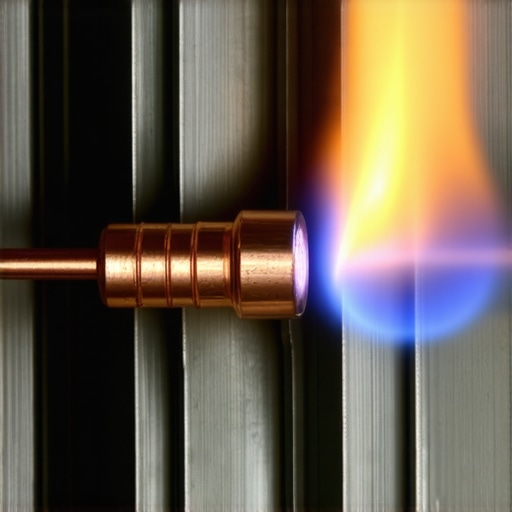
To understand why your furnace is sitting idle, you have to understand Thermodynamic Zooming. Inside that combustion chamber, a thermocouple is doing a job that modern AI-driven HVAC optimization still struggles to replicate with the same reliability. A thermocouple is two dissimilar metals joined at one end. When the pilot flame licks that junction, it creates a tiny electrical current—about 30 millivolts. This isn’t enough to power your toaster, but it is enough to hold a solenoid valve open. If that tip gets covered in soot or the internal wiring degrades, the voltage drops. The valve closes. The furnace dies. This is often the root cause when you need urgent furnace repair. It’s a $20 part that keeps a $5,000 machine from turning into a giant paperweight. It’s the ultimate diagnostic gatekeeper.
“The most expensive equipment in the world cannot overcome a bad duct system, but a simple failure in the flame-proving circuit will stop the best system dead in its tracks.” – Industry Axiom
In our cold Northern climate, we aren’t just fighting temperature; we are fighting the chemistry of combustion. High-efficiency furnaces and even older 80% AFUE units face massive thermal stress. When the heat exchanger expands and contracts, the vibration can loosen the thermocouple’s connection to the gas valve. If you are dealing with hydronic heating systems, the logic is the same—no flame, no hot water, no heat. Before you let a Sparky or a fast-talking salesman tell you the board is fried, check the millivolts. It’s the fundamental physics of the Seebeck effect at work.
The ‘Sales Tech’ Scam vs. Real Furnace Ignition Repair
I recently followed a technician who told a family their heat exchanger was cracked and the unit was leaking CO, all because the pilot wouldn’t stay lit. I pulled the thermocouple, cleaned the carbon off with a bit of emery cloth, and the unit fired right up. No cracks. No CO. Just a dirty sensor. This is why furnace repair myths are so dangerous for your wallet. A real technician knows that furnace ignition repair starts with the basics. We look at the furnace filter replacement history first, because a choked-off system creates back-pressure that can roll the flame out and cook the thermocouple’s lead wires. If you aren’t on priority service memberships, you’re likely the one getting hit with the ’emergency’ replacement quote instead of a simple repair.
The Airflow Manifesto: Why Horsepower is a Lie
You can have a 100,000 BTU furnace, but if your Tin Knocker didn’t size the return air drops correctly, you’re just baking the internal components. Poor airflow leads to high limit trips, which shortens the life of your thermocouple and your control board. When I talk about strategies to extend your system’s life, I’m talking about static pressure. If the static is too high, the furnace runs hot, the thermocouple degrades faster, and your IAQ improvement services won’t mean a thing because the air isn’t moving fast enough to be filtered. We use ‘Pookie’ (mastic) to seal those leaks, ensuring the ‘gas’ you pay for actually turns into heat in your living room, not your basement.
“Standard practice requires that combustion air be provided for all gas-burning appliances to ensure complete combustion and prevent the accumulation of hazardous gases.” – NFPA 54 / ASHRAE Standards
The 2025 Transition: R-454B and Your Future
We are currently facing the R-454B refrigerant transition services era. While this mostly affects AC units, the regulatory environment is pushing everyone toward higher complexity. This makes maintaining older, simpler furnaces even more critical. Older units are rugged; they don’t have the sensitive ‘brain boards’ that modern remote thermostat access systems require. A thermocouple-based system is a tank. It’s reliable. If you have a ventless gas heater or an older forced-air unit, that thermocouple is your best friend. Don’t let the industry’s push for new tech make you trash a perfectly good, repairable furnace. Focus on preventative HVAC repair tips like cleaning the pilot assembly and checking the vent dampening. If you maintain the basics, that ‘old’ furnace will outlive the new plastic-housed units being sold today.
The Math: Repair ($) vs. Replace ($$$$)
When is it actually time to pull the plug? If your heat exchanger truly is cracked (and I mean physically seen with a camera, not just ‘guessed’ by a tech), then you replace it. Carbon monoxide is no joke. But if the problem is ignition, a thermocouple or a glow-plug (HSI) is a fraction of the cost of a new install. I’ve seen homeowners save thousands by just insisting on a component-level diagnosis. This is the core of efficient HVAC repairs. You don’t replace the car because the spark plugs are dirty. You clean the plugs. The same applies to your heating system. Demand the millivolt reading. Demand to see the flame signal. If the tech can’t provide it, find a new tech. [SCHEMA: {“@context”: “https://schema.org”, “@type”: “HowTo”, “name”: “How to Replace a Furnace Thermocouple”, “step”: [{“@type”: “HowToStep”, “text”: “Shut off the gas supply and electrical power to the furnace.”}, {“@type”: “HowToStep”, “text”: “Remove the access panel to locate the pilot light assembly and the thermocouple attached to the gas valve.”}, {“@type”: “HowToStep”, “text”: “Unscrew the thermocouple lead from the gas valve using a small wrench.”}, {“@type”: “HowToStep”, “text”: “Unclip the thermocouple bulb from the pilot bracket.”}, {“@type”: “HowToStep”, “text”: “Install the new thermocouple by reversing the steps, ensuring the bulb is positioned so the pilot flame engulfs the top 1/2 inch of the tip.”}, {“@type”: “HowToStep”, “text”: “Restore gas and power, light the pilot, and verify the main burner ignites.”}]}]