The Death Rattle of a Modern Furnace
Listen closely. When you hear that rhythmic, metallic thrumming vibrating through your floorboards like a caffeinated woodpecker, it is not the wind, and it certainly is not ‘normal break-in noise.’ It is the death rattle of your inducer motor. As a guy who has spent over thirty years melting in attics and freezing on rooftops, I have learned that the sounds of a machine tell you more than a multimeter ever will. I have followed enough ‘Sales Techs’—the guys who walk in with a shiny clipboard and a zero-knowledge base—who quoted some poor homeowner $15,000 for a new system because they didn’t understand the physics of a draft. But before we get into the anatomy of a failure, let me tell you about my old mentor, Gus. He used to grab me by the collar of my work shirt and scream, ‘You can’t cool what you can’t touch, and you can’t burn what you can’t vent!’ That is the Airflow Manifesto in a nutshell. Whether you are dealing with a standard 80% AFUE unit or a high-efficiency beast, airflow is the king, the queen, and the entire royal court. If your vent is vibrating, your inducer motor—the gatekeeper of combustion—is about to check out, and it might take your heat exchanger with it.
“The most expensive equipment in the world cannot overcome a bad duct system.” – Industry Axiom
The Forensic Diagnosis: Anatomy of the Inducer
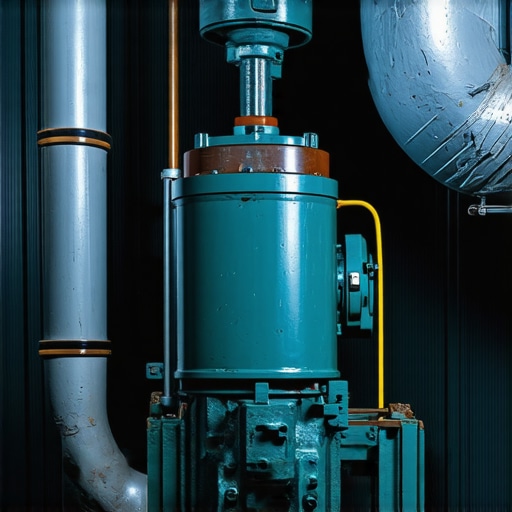
To understand why that vibration is a ticking time bomb, we need to do some Thermodynamic Zooming. In a modern furnace, the sequence of operation is a delicate dance. When the thermostat calls for heat, the very first thing that happens isn’t a flame; it is the inducer motor spinning up. This motor’s job is to create a negative pressure—a draft—that pulls the combustion gases through the heat exchanger and pushes them out the vent pipe. If this motor is vibrating, it usually means the squirrel cage (the impeller) is either caked with debris or the bearings have lost their lubrication. When those bearings start to screech or vibrate, they create a harmonic that travels through the PVC or metal venting, turning your entire house into a sounding board. This is especially critical in a modulating furnace repair scenario, where the motor fluctuates speeds. If the motor can’t reach the required RPMs, the pressure switch won’t close, and your furnace will lock you out faster than a bouncer at a high-end club. This isn’t just about comfort; it is about safety. A failing inducer can lead to improper combustion, and in the North, where we deal with the ‘Polar Vortex’ effect, an iced-up vent or a struggling motor can cause flame rollout, which is a fancy way of saying your furnace starts trying to burn its own internal wiring.
The Physics of the North: Why Your Vent is Shaking
In our cold Northern climate, we face a specific enemy: the freezing of condensate. If you have a high-efficiency furnace, your inducer motor is moving air that is saturated with moisture. This ‘latent heat’ removal process creates acidic condensate. If your ‘Tin Knocker’ didn’t pitch the vent pipes correctly, that water backs up into the inducer housing. Imagine a washing machine out of balance; that is what happens when a tablespoon of water sits in a motor spinning at 3,000 RPM. The vibration isn’t just annoying; it is physically tearing the motor off its mounts. This is why heating service hacks for comfort always start with checking the pitch of your flue. If you ignore it, the vibration will eventually crack the plastic housing, and then you are leaking ‘juice’—or in this case, toxic flue gases—into your mechanical room. I’ve seen ‘Sales Techs’ try to sell a whole new hydronic heating system when the fix was just clearing a blocked drain line and replacing a $400 motor. Don’t be that guy. Understand that the inducer is a safety component first and a performance component second.
“Proper venting of combustion products is essential to prevent the accumulation of carbon monoxide and to ensure the safe operation of fuel-burning appliances.” – ASHRAE Standard 62.1
The Math of Repair vs. Replace
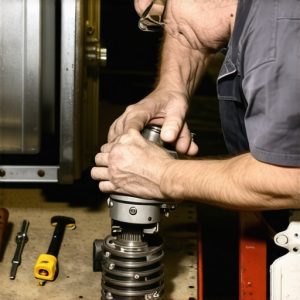
When the vibration starts, you have a choice. A replacement inducer motor usually runs between $400 and $900 depending on the brand—Carrier and Trane love their proprietary parts, while Goodman is a bit more ‘blue-collar’ friendly. If your furnace is under 12 years old, you replace the motor every single time. If it’s over 15 and you’re looking at a $1,000 repair, that’s when we talk about financing for heat pump installs or high-efficiency upgrades. With the new 2025 regulations on the horizon, the cost of equipment is skyrocketing, and rebate application assistance is becoming a full-time job for office staff. If you’re sticking with gas, consider a whole-home humidifier or even UV light installation for HVAC to keep the indoor coil clean. But back to the motor: if you hear it, fix it. Waiting for a 24/7 heating emergency response in the middle of a blizzard means you’re going to pay a premium for a part that the ‘Sparky’ or tech might not even have on the truck.
Maintenance: Preventing the Shake
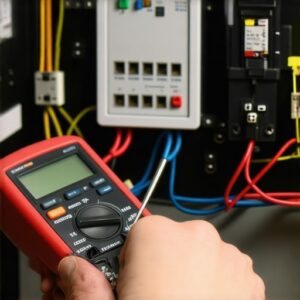
How do you stop the vibration before it starts? It’s simple: ‘Pookie’ and precision. Mastic (we call it Pookie) seals the leaks, but precision maintenance ensures the motor stays clean. During a real tune-up—not the $29 scam—a tech should be checking the amp draw of that inducer motor. If a motor is rated for 1.5 amps and it’s pulling 1.8, it’s working too hard. This usually points back to a restriction in the heat recovery ventilators or a clogged secondary heat exchanger. We also look at the ‘Suction Line’ temperature on AC units, but on furnaces, it’s all about the ‘Stack Temp.’ If your stack is too hot, you’re wasting money; if it’s too cool, you’re creating acid that eats the inducer motor. It is a delicate balance of physics that keeps your home safe and your wallet full. Don’t let a ‘Sales Tech’ convince you that a vibrating vent means the whole unit is ‘junk.’ It’s a mechanical failure, and in the hands of a real pro, it’s a standard afternoon fix. Stay warm, keep your filters clean, and remember: if it sounds like a freight train, get it checked before it hits the station.