The Tin Knocker’s Law: Why Airflow Trumps Horsepower
My old mentor, a grizzled lead mechanic named Smitty who had more soot in his lungs than a 1970s coal furnace, used to scream at me every time I picked up a drill: ‘You can’t cool what you can’t touch, and you can’t heat what won’t move!’ He’d stand there in a sweltering attic, sweat dripping off his nose onto a manometer, proving to me that a 5-ton unit was useless if the ductwork was only built for 3 tons. This is the fundamental truth of the trade: airflow is king. In today’s era of high-performance new construction, we are building homes so tight—essentially wrapping them in plastic—that we’ve created a new monster: the ‘Sick Building Syndrome.’ This is why Heat Recovery Ventilators (HRVs) aren’t just an add-on; they are the lungs of the modern home. Without them, you’re just circulating stale, humid, and increasingly toxic air through your expensive vents.
The Tight House Trap: Why New Construction Needs to Breathe
In the old days, houses were ‘leaky.’ You had enough natural infiltration through drafty windows and porous walls that the air exchanged itself whether you liked it or not. It was inefficient as hell, but you didn’t have to worry about carbon dioxide levels or VOCs from your new flooring building up to dangerous levels. Modern codes require such high R-values and low blower-door test scores that we’ve effectively turned houses into Tupperware containers. If you don’t provide a mechanical means of ventilation, you’re inviting mold, dust mites, and respiratory issues. This is where heating service innovations like HRVs come into play. They allow the house to breathe without losing the energy you just spent $4.00 a gallon to produce.
“Designers shall provide a means of ventilation that ensures the delivery of outdoor air to the occupied space in a controlled manner.” – ASHRAE Standard 62.2
Thermodynamic Zooming: The Physics of the HRV Core
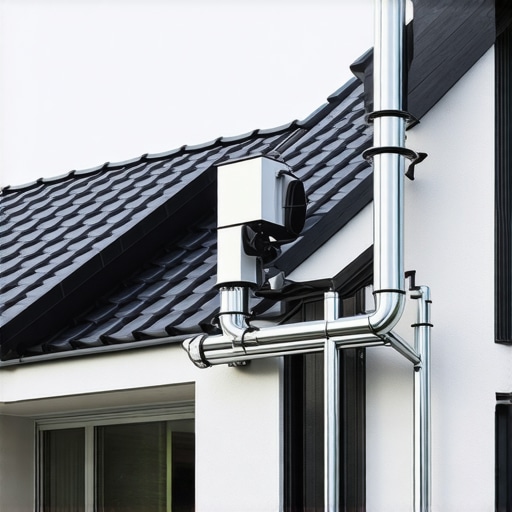
Let’s get technical for a second. An HRV doesn’t just ‘blow air.’ It uses a cross-flow or counter-flow heat exchanger—usually a series of thin aluminum or plastic plates—to transfer sensible heat. Imagine two streams of air passing each other in a hallway but never touching. The warm, stale exhaust air from your bathrooms and kitchen passes through the core, giving up its heat energy to the incoming, freezing-cold fresh air from outside. We’re talking about thermal efficiency ratings often exceeding 80%. This isn’t magic; it’s thermodynamics. We are reclaiming the energy from the air we’re throwing away. In a North/Cold climate like the Northeast or Midwest, where a polar vortex can drop temps to -20°F, an HRV prevents that ‘arctic blast’ sensation when the ventilation kicks in. It tempers the air before it ever hits your main furnace coil, reducing the load and preventing the dreaded flame rollout or cracked heat exchangers that lead to urgent furnace repair needs.
Airflow Measurement Services: Stop Guessing, Start Testing
Most HVAC guys—especially the ‘Sales Techs’ who only care about their commission—will just slap an HRV on the wall, wire it to the ‘Sparky’s’ (electrician) panel, and walk away. That’s a recipe for disaster. Proper installation requires professional airflow measurement services. You need to balance the supply and exhaust air. If you’re exhausting 100 CFM (Cubic Feet per Minute) but only bringing in 80 CFM, you’re putting the house under negative pressure. That sucks in radon from the basement and back-drafts water heaters—a massive carbon monoxide risk. We use digital manometers and flow hoods to ensure the system is perfectly neutral. This is the difference between a system that works and one that just makes noise. For those in larger facilities, warehouse heating solutions often require even more complex balancing to keep workers safe and energy costs down.
Integrating Air Purification and Whole-Home Humidifiers
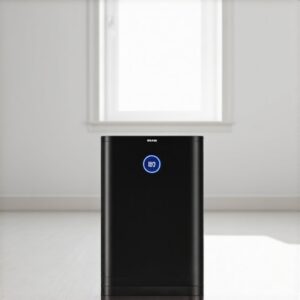
If you’re building new, don’t stop at the HRV. You need air purification integration. By filtering the air as it enters the HRV, you’re catching pollen and pollutants before they enter the ductwork. Furthermore, in cold climates, the air gets incredibly dry. Integrating whole-home humidifiers ensures that as the HRV brings in fresh air, it also maintains the proper moisture levels to protect your hardwood floors and your sinuses. It’s all about that ‘Beer Can Cold’ suction line in the summer and ‘toasty but breathable’ air in the winter. If you’re dealing with older systems, you might need efficient HVAC repairs to bridge the gap between old tech and these new ventilation requirements.
“The most expensive equipment in the world cannot overcome a bad duct system.” – Industry Axiom
Geofencing and Smart Control: The 2025 Standard
The days of a ‘dumb’ thermostat are over. Geofencing temperature control allows the HRV and the heating system to ramp up or down based on your proximity to the home. Why ventilate at a high rate if no one is there? By the time you’re five miles from home, the system kicks into high gear, refreshing the air so it’s crisp the moment you walk in the door. This level of control is essential for modern AC installation success. It integrates the ventilation, the biomass boiler services, or even infrared heater installation into one cohesive brain.
The Maintenance Reality: Don’t Be a ‘Set It and Forget It’ Homeowner
Listen, I’ve seen HRV cores so clogged with dog hair and dust that they looked like a dryer lint trap. You need an annual heating inspection to keep this stuff running. If the core is plugged, the heat exchange doesn’t happen. If the drains are clogged with ‘Pookie’ (mastic) or debris, the condensate will back up and rot your floor. This isn’t a ‘Sales Tech’ pitch; it’s physics. Components like the motors and the sensors need to be checked. Same goes for your plumbing—don’t wait for a flood to call for hot water heater repair or boiler repair services. A little preventative maintenance saves you $10,000 in the long run. I’ve caught more failing capacitors and cracked exchangers during routine checkups than I can count, saving homeowners from the ‘July 4th Panic’ or the ‘Christmas Freeze.’
Conclusion: Comfort is Physics, Not Magic
At the end of the day, a Heat Recovery Ventilator is the only way to ensure a healthy, energy-efficient indoor environment in a new home. It’s about more than just temperature; it’s about the quality of the air you’re breathing 22,000 times a day. Don’t let a ‘Tin Knocker’ who’s stuck in the 90s tell you that ‘opening a window’ is enough. It’s not. Get the measurement services, invest in the integration, and make sure your system is balanced. If you’re looking for more details on keeping your system running, check out these preventative HVAC repair tips. Stay cool, stay warm, and for God’s sake, keep the air moving.