My old mentor, a grizzly veteran who could smell a cracked heat exchanger from the driveway, used to grab me by the collar and scream, ‘You can’t heat what you can’t touch! If the molecules aren’t dancing on the metal, you’re just burning money and oxygen!’ He was a fanatic about the physics of heat transfer, and after thirty years of crawling through frozen crawlspaces and dodging ‘sparkies’ who didn’t ground their circuits, I realized he was right. Airflow and fluid dynamics are the only things standing between you and a polar vortex. When I walk into a house for a standard annual heating inspection, I’m not looking for a sales commission; I’m looking for the forensic evidence of a system fighting against its own installation. In the North, where the frost line is a constant threat and snow melt systems installation is a necessity rather than a luxury, your heating system is a high-stakes engine of survival.
The Forensic Diagnosis: Why Your Furnace is a Ticking Clock
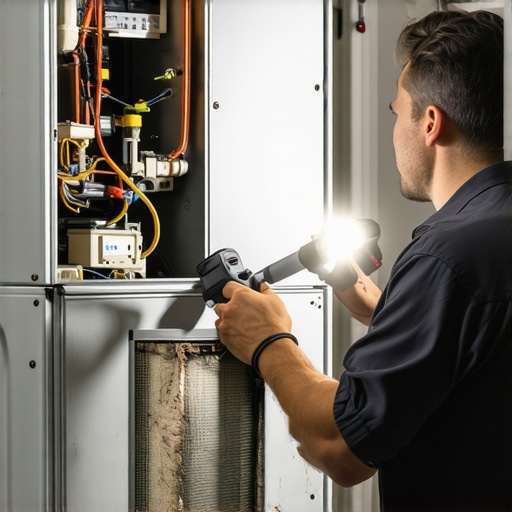
Most homeowners think a furnace is just a box that makes noise and heat. In reality, it is a complex metabolic process. During a gas furnace repair call, the first thing I look for isn’t the thermostat; it’s the flame signature. A healthy flame is a crisp, surgical blue. If I see lazy, licking yellow tips, I know I’m looking at incomplete combustion—the precursor to a carbon monoxide nightmare. This is why carbon monoxide detector installation is non-negotiable. I’ve seen systems where the heat exchanger had a hairline fracture so small you could barely see it with a borescope, but it was enough to let the ‘gas’ (the exhaust, not the fuel) seep into the supply plenum.
“The most expensive equipment in the world cannot overcome a bad duct system.” – Industry Axiom
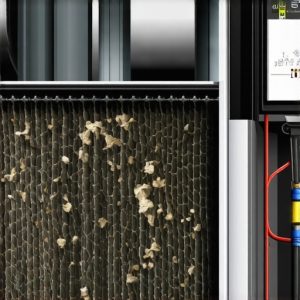
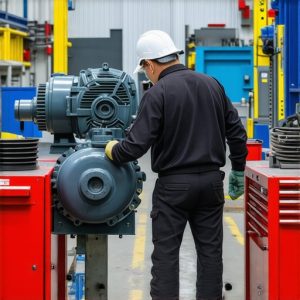
When I perform an annual heating inspection, I’m checking the static pressure. Think of static pressure like blood pressure for your HVAC. If the ‘tin knocker’ who installed your ductwork undersized the return air, your blower motor is working twice as hard to suck air through a straw. This leads to premature bearing failure and the dreaded screech of a motor begging for mercy. If you want to avoid a total system collapse, understanding urgent furnace repair triggers is your first line of defense.
Boilers and Hydronics: The Art of Wet Heat
In older neighborhoods or high-end custom builds, boiler repair services are the bread and butter of the trade. Unlike forced air, a boiler system uses water (or a glycol mix) to move energy. It’s more efficient but much more temperamental. I often find expansion tanks that are waterlogged or air-bound radiators that haven’t been bled since the Clinton administration. When we talk about radiant floor heating installation, we’re talking about the pinnacle of sensible heat. There is nothing like the feeling of 80-degree floors when it’s ten below zero outside. However, if the manifold isn’t balanced, you’ll have one room that’s a sauna and another that’s a meat locker. This is where the physics of ‘head pressure’ comes into play. If the pump can’t overcome the friction of the PEX tubing, that hot water isn’t going anywhere.
For those living in older homes, radiator replacement is often necessary because the internal scale has reduced the thermal conductivity of the cast iron. You’re burning gas to heat the water, but the heat can’t get through the sludge and the rust to actually reach the air. It’s like trying to cook a steak through a brick. I always tell clients that extending system life starts with cleaning the fluids that run through it.
The Danger of Improper Flue Pipe Installation
Venting is where the amateurs get caught. With the rise of high-efficiency 90%+ AFUE furnaces, we aren’t just venting hot air anymore; we’re venting acidic condensate. If the flue pipe installation isn’t pitched correctly, that liquid drains back into the secondary heat exchanger and eats it from the inside out. I’ve walked into multi-family heating upgrades where three different units were tied into a single masonry chimney without a liner. That’s a death trap. The moisture from the high-efficiency exhaust will liquefy the mortar between the bricks, causing the chimney to collapse internally and back-draft CO into every unit.
“Proper venting is the difference between a warm home and a morgue.” – EPA Section 608 Safety Manual
In a commercial setting, such as a restaurant kitchen exhaust repair, the stakes are even higher. You have grease-laden vapors and massive make-up air units trying to balance the building’s pressure. If the exhaust fan isn’t pulling enough CFM, the kitchen becomes a vacuum, pulling the pilot lights out on the water heaters and furnaces. It’s all a delicate dance of pressures and temperatures.
The Snow Melt Luxury and the Reality of 2025
If you’ve ever shoveled a 100-foot driveway in a blizzard, you know why snow melt systems installation is the ultimate upgrade. These systems are basically giant radiators buried in your concrete. But they are ‘juice’ hogs if not controlled by sophisticated sensors. I’ve seen homeowners get a $1,000 gas bill because their snow melt stayed on for three weeks straight during a light dusting. We are moving into an era of heating service innovations where AI-driven sensors will predict the snowfall before the first flake hits the ground, but for now, we rely on solid mechanical engineering and ‘pookie’ (mastic) to keep things sealed and efficient.
Don’t fall for the heating myths that suggest you should close vents in unused rooms. That’s a great way to increase static pressure and crack your heat exchanger. Your system was designed for a specific volume of air; don’t choke it. Whether you are looking at comfort hacks for 2025 or just trying to survive the next week, remember: the ‘Sales Tech’ wants to sell you a new box, but a real technician wants to fix your airflow. Physics doesn’t care about your warranty; it only cares about the delta-T across the coil.