The Ghost in the Stack: Why Your Chimney is Eating Itself
My old mentor, a man who had more soot in his lungs than a Victorian sweep, used to scream at me in the middle of February blizzards: ‘The furnace is just a box that makes fire; the flue is the engine that keeps the family alive!’ He was right. Most homeowners think a furnace failure is about a blower motor replacement or a faulty control board, but the most insidious killer of heating systems isn’t electrical—it’s thermodynamic. It’s the moisture you can’t see until the bricks start falling out of the wall.
“The most expensive equipment in the world cannot overcome a bad duct system—or a failing exhaust path.” – Industry Axiom
The Forensic Diagnosis: Anatomy of a Backdrafting Disaster
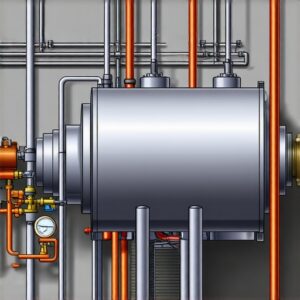
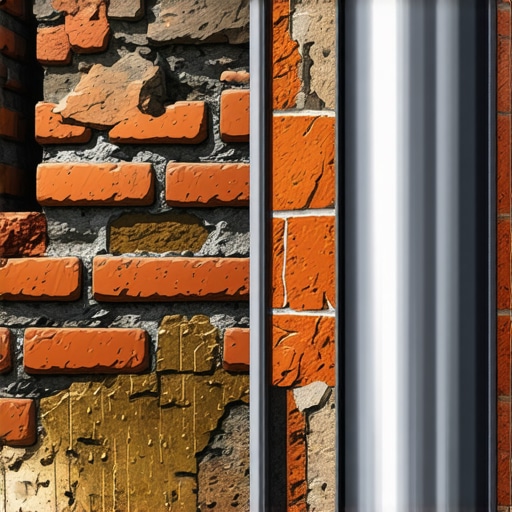
I remember a call-out for a hotel boiler services contract downtown during a sub-zero snap. The ‘Sales Tech’ from a big-box competitor had already been there, quoting a $45,000 boiler replacement because he couldn’t get the pilot light relighting to stay consistent. He blamed the gas valve. He was wrong. I walked into that mechanical room and smelled it immediately—the sour, metallic tang of combustion gases that weren’t making it to the roof. The pilot wasn’t bad; the draft was being choked by a chimney that was literally melting from the inside out. When we talk about heating service, we aren’t just looking at the burner; we are looking at the physics of the stack. Combustion is a chemical reaction: Fuel + Oxygen = Heat + CO2 + Water Vapor. In a cold climate like ours, that water vapor is your worst enemy. If the flue gases cool down too much before they exit the building, they hit the ‘dew point’ and turn into acidic liquid. This condensate eats through mortar joints like a slow-motion termite infestation.
Thermodynamic Zooming: The Dew Point Trap
Why is this happening more now than thirty years ago? Efficiency. Older furnaces were so inefficient that they dumped massive amounts of wasted heat up the chimney. That ‘waste’ kept the chimney hot and dry. Modern mid-efficiency systems extract more heat for the home, leaving the exhaust gases much cooler. When these cooler gases hit a large, unlined masonry chimney, their velocity slows down. They linger. They cool. And then, they rain. This is why a stainless steel chimney liner is non-negotiable. It creates a sized-to-fit ‘sleeve’ that keeps those gases hot and moving fast, preventing the latent heat from collapsing back into liquid. Without it, you’ll eventually face wiring repair for heating systems because the moisture starts shorting out the thermocouple replacement or damaging the thermostat wiring upgrades you just paid for. Check out our guide on urgent furnace repairs to see how venting issues rank on the danger scale.
The Math of Failure: Repair vs. Replace
A chimney liner might cost you $1,500 to $3,000 depending on the run, but a full masonry rebuild of a three-story chimney? You’re looking at $15,000 minimum. I’ve seen homeowners try to save a buck by ignoring the liner during a furnace upgrade, only to have their annual heating inspection fail six months later because the flue is blocked by fallen debris. That’s a ‘red tag’ scenario—I shut your gas off, and you’re freezing until it’s fixed. It’s not just about the structure; it’s about air quality. If the flue is compromised, you lose the pressure differential needed for demand-controlled ventilation, and suddenly, those combustion gases are leaking into your living room. You can have the most advanced voice control setup Alexa Google integration in the world, but your smart home can’t fix a physical hole in a brick stack. For more on how these components work together, see our 2025 heating service innovations.
“Ventilation air must be provided in sufficient quantities to ensure complete combustion and to prevent the reversal of flue gas flow.” – NFPA 211 Guideline
The Solution: Professional Liner Installation
When a tin knocker installs a proper B-vent or a flex-liner, they are ensuring the pressure remains negative inside the pipe. This ‘draw’ is what pulls fresh air into the burner. If you’re noticing white chalky powder (efflorescence) on your chimney bricks or water stains near the ceiling, you have a flue problem. Don’t let a ‘Sales Tech’ convince you that a new blower motor replacement will fix a draft issue. It won’t. You need a pro who understands the hacks for comfort and savings that actually involve the physical envelope of the building. Real heating service involves checking the draft with a manometer, not just looking for a blue flame. If your system is short-cycling or you’re smelling something ‘off,’ it’s time for a real look at the venting. Don’t wait until the ‘Pookie’ (mastic) on your plenum is the only thing holding your air handler together. Get the liner, protect the masonry, and keep the heat where it belongs. You can learn more about preventative HVAC repairs here to stay ahead of the curve.