The Silence of a Cold Midnight
You know that sound in the dead of a Chicago winter? It is not the wind. It is the absence of the low-frequency hum of your furnace. When that inducer motor fails to kick on, or the burner flickers and dies after three seconds, you are not just looking at a mechanical failure; you are looking at a thermodynamic breakdown. Most ‘sales techs’ will walk into your mechanical room, see a bit of rust, and immediately start writing a $12,000 quote for a new unit. They want the commission. I want the physics to work. After thirty years of hauling tool bags through crawlspaces, I can tell you that the secret to a furnace’s life is not the brand name on the cabinet—it is the integrity of the heat exchanger.
The Physics Lesson: Why Airflow is King
My old mentor, a grizzly veteran who could diagnose a bad capacitor by the smell of the ozone alone, used to scream at me, ‘You cannot heat what you cannot touch!’ He was right. In the HVAC world, we deal with the transfer of energy. Your furnace burns gas to create heat, but that heat has to get into your air through a metal barrier called the heat exchanger. If that metal is coated in soot or eaten away by corrosion, the energy cannot move. It stays trapped, overheating the metal until it cracks. This is the ‘Forensic Diagnosis’ of a dying system. [IMAGE_PLACEHOLDER]
“The heat exchanger is the only thing standing between a warm night and a permanent sleep.” – ACCA Manual S Guidelines
The Anatomy of Destruction: Soot and Corrosion
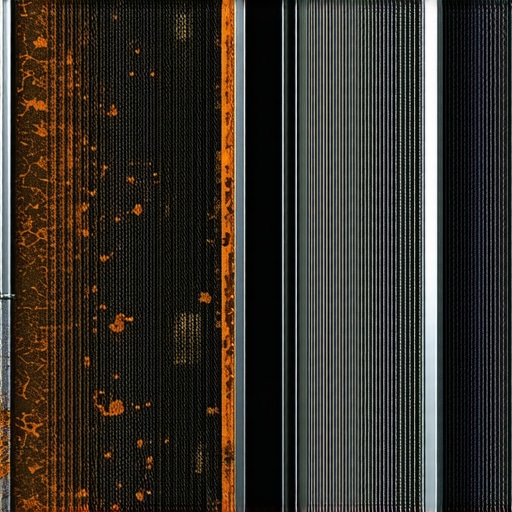
Let’s get technical. When your furnace is running ‘rich’—meaning it has too much fuel and not enough oxygen—it produces soot. Soot is essentially pure carbon, and it acts as a high-grade insulator. A layer of soot only 1/16th of an inch thick can reduce heat transfer efficiency by 10% or more. This forces your burners to run longer, stressing the entire system. Then there is corrosion. In high-efficiency 90%+ AFUE furnaces, we deal with acidic condensate. If your drain lines are backed up or the ‘tin knocker’ who installed your venting did not pitch the pipes correctly, that acid eats through the secondary heat exchanger like a slow-moving virus.
The Draft Inducer Motor Repair
The draft inducer motor is the ‘lungs’ of your furnace. Its job is to pull the combustion gases through the heat exchanger and shove them out the flue. If you hear a screeching or a rhythmic thumping, your inducer is on its way out. A draft inducer motor repair is often the difference between a safe home and a carbon monoxide hazard. When the bearings in that motor fail, the pressure switch will not close, and the ‘juice’—that’s the electricity for you homeowners—will never reach the gas valve. Before you let a tech sell you a new furnace, make sure they have actually tested the static pressure of that inducer.
The Blower Motor Replacement Logic
If the inducer is the lungs, the blower motor is the heart. It moves the conditioned air throughout your home. A blower motor replacement is a common fix, but why did it fail? Usually, it is because some ‘sparky’ or DIYer used a cheap 1-inch pleated filter and did not change it for six months. This increases the static pressure, making the motor work twice as hard to move the same amount of air. We call this ‘choking the unit.’ For a deep dive into avoiding these traps, see our guide on furnace repair myths debunked by industry experts.
Steam Boiler Repair and Large-Scale Maintenance
In older Northern districts, we are not just looking at forced air. Steam boiler repair is a dying art. You have to understand the ‘water line’ and why a dirty sight glass is a sign of impending doom. The same goes for school boiler maintenance. These high-mass systems are prone to scaling and soot buildup on the fire-side of the tubes. If you are managing a facility, you need to know how to identify when furnace repair is urgent and why, especially when dealing with the safety of hundreds of students. One cracked section in a cast-iron boiler can shut down an entire wing.
“Carbon monoxide is the silent byproduct of a furnace that has forgotten how to breathe.” – EPA Section 608 Safety Supplement
Modern Integration: WiFi, Geofencing, and Solar
We are moving into a new era of climate control. WiFi thermostat integration and geofencing temperature control are not just toys; they are efficiency tools. Geofencing tells the furnace to ramp up when your phone is five miles from home, ensuring you are not heating an empty house. Furthermore, solar thermal heating integration is becoming a viable way to pre-heat return air or boiler water, significantly lowering your gas bill. If you are looking for ways to modernize, check out these heating service hacks for comfort and savings in 2025.
Garage Heater Installation and Safety
I see a lot of ‘weekend warriors’ trying a DIY garage heater installation. This is where I see the most dangerous ‘Pookie’ (mastic) applications and improper venting. Garage heaters often deal with high levels of dust and chemicals, which accelerates corrosion on the heat exchanger. We also perform portable heater safety checks for those using temporary solutions. Remember, a portable heater is a temporary fix, not a permanent heating strategy.
The Financials: Rebate Application Assistance
Heating systems are expensive, but there is money on the table. We provide rebate application assistance for high-efficiency upgrades. Many utility companies will pay you to install a variable-speed blower motor or a modulating gas valve. For more information on how to maximize these benefits, stay updated with heating service innovations transforming 2025 climate control.
Conclusion: Maintenance vs. The Scam Tune-Up
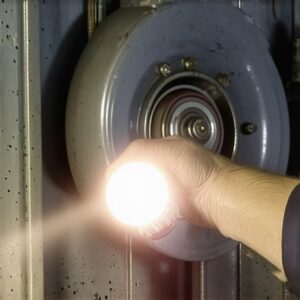
A real heat exchanger cleaning involves more than just a vacuum. It requires a borescope inspection to look for hairline cracks and a combustion analysis to ensure the ‘gas’ is burning clean. Do not fall for the $29 tune-up; those are just sales leads for the tech to find a reason to condemn your unit. Comfort is physics, not magic. Keep your airflow open, your sensors clean, and your heat exchanger free of soot, and that furnace will outlast your mortgage. If you have any doubts, contact us for a real technician’s opinion.