The 2025 Refrigerant Cliff and Your Expiring Peace of Mind
I remember my old mentor, a grizzly veteran who smelled of ozone and R-22, used to scream at me in the middle of a frozen mechanical room, ‘You can’t cool what you can’t touch!’ He was talking about the boundary layer of air on the evaporator fins, but that lesson applies to your warranty too. If you haven’t touched the paperwork or the registration portal, that warranty doesn’t exist. We are currently standing on a regulatory cliff. As of 2025, the industry is moving away from R-410A to A2L refrigerants like R-454B. This ‘gas’ shift means if your current system fails and your warranty isn’t active, you’re not just looking at a furnace repair or a simple coil swap; you’re looking at a total system overhaul because the old parts and juice are becoming obsolete. Checking your warranty status isn’t about peace of mind; it’s about financial survival in a market where a single control board diagnostics session can cost more than a weekend in Vegas.
“Equipment shall be sized according to the load calculations in Manual J, and failure to do so voids the performance expectations of the manufacturer.” – ACCA Manual J
The Anatomy of an Active Warranty
Most homeowners think a ’10-year warranty’ is a birthright. It’s not. It’s a contract with fine print that requires a blood sacrifice—usually in the form of registration within 60 days of installation. If you missed that window, that 10-year promise shriveled up into a 5-year ‘base’ warranty before the Pookie on your ducts even dried. To check if you’re still covered, find your data plate. It’s usually on the outdoor condenser or the indoor furnace cabinet. You need the serial number and the model number. Take those to the manufacturer’s website (Trane, Carrier, Lennox, etc.) and look for a ‘Warranty Lookup’ tool. If it says ‘Not Registered,’ you’re flying solo. This is especially critical for urgent furnace repair scenarios where a cracked heat exchanger is the difference between a free part and a $3,000 headache.
Thermodynamic Zooming: Why Humidity Kills Your Warranty
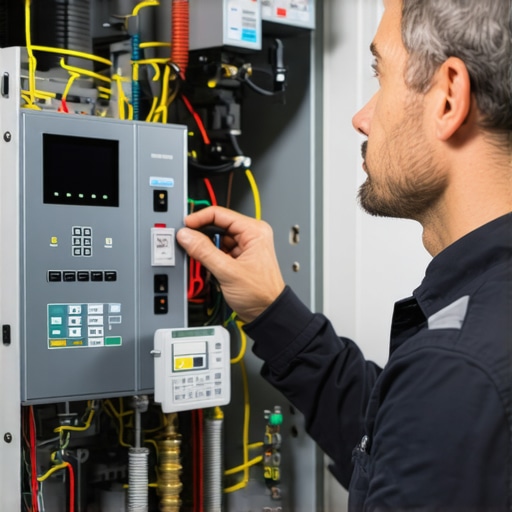
In the North, we deal with the ‘Polar Vortex’ effect. When your furnace is chugging along, the control board diagnostics are constantly monitoring flame rectification and limit switches. If you’ve done a DIY thermostat installation and botched the C-wire, or tried some fancy geofencing temperature control that causes the system to short-cycle, you are killing the compressor and the inducer motor. Short-cycling doesn’t just waste energy; it prevents the system from reaching a steady state of heat exchange. This thermal stress causes the metal in your heat exchanger to expand and contract too rapidly, leading to micro-fractures. When a tech like me sees a failed unit that hasn’t been maintained, the manufacturer will often deny the claim. They want to see a paper trail of preventative maintenance.
“Maintenance of HVAC systems is required to ensure that the equipment operates within the design parameters established by the manufacturer.” – ASHRAE Standard 180
The MERV Filter Trap and Static Pressure
I see it every week: a homeowner buys the highest MERV filter they can find, thinking they’re creating a clean-room environment. But if your ductwork wasn’t designed for that resistance—based on original Manual J calculations—you’re basically putting a plastic bag over your furnace’s mouth. This spikes the static pressure, makes the blower motor work like a pack mule, and eventually fries the control board. When that motor dies, and the factory rep sees a black, soot-covered MERV 16 filter, they’ll laugh at your warranty claim. Always check if your furnace repair myths include the idea that ‘thick filters are always better.’ They aren’t. They are airflow killers.
Smart Buildings and Wood Stove Complications
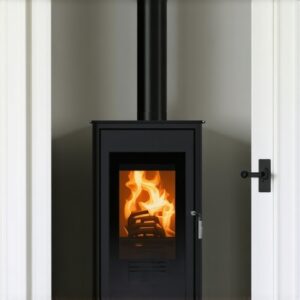
If you’ve integrated smart building management into your home, ensure the programmable thermostat programming isn’t conflicting with the furnace’s internal logic. Furthermore, if you have a wood burning stove installation as a backup, be careful. If the furnace’s return air is pulling in smoke or excessive particulate from the stove, it can coat the secondary heat exchanger in a sticky film that is impossible to clean, once again voiding your warranty. Checking your warranty is a three-step process: verify the registration, document your annual service, and ensure your ‘Sparky’ didn’t bypass any safety sensors during a repair. If you can’t prove the system was cared for, the manufacturer won’t care about your repair bill.