How to Tell if Your AC Problem is Actually a Faulty Electrical Disconnect
It’s a scenario I’ve seen a hundred times. It’s 95 degrees outside, your house is starting to feel like a sauna, and you realize the air coming out of the vents is lukewarm. You head outside, and your outdoor condenser unit is as silent as a grave. Most homeowners immediately start panicking about the cost of a new compressor or a whole new system. They think they’re looking at a multi-thousand-dollar nightmare. But here’s a secret from someone who has spent years in the field: sometimes the culprit isn’t the expensive machinery inside the AC unit at all. Often, when I’m called out as an electrician or HVAC specialist, I find that the entire problem is a $30 plastic and metal box mounted to the side of your house – the AC disconnect.
The AC disconnect is the unsung hero of your cooling system, but when it fails, it does so in ways that can be confusing, frustrating, and even dangerous. Because it sits between your home’s main electrical panel and the air conditioner, it’s the gatekeeper of power. If that gate is rusted shut or, more literally, melted into a lump of copper and plastic, your AC isn’t going anywhere. In this guide, I’m going to walk you through how to spot a failing disconnect, why they break, and how to know when you can handle it yourself versus when you need to call in a professional electrician to save your system (and your sanity).
What Exactly is an AC Disconnect Box?
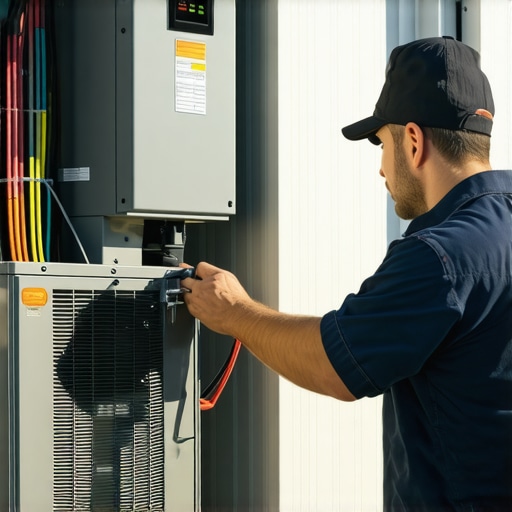
Before we get into the “how-to” of troubleshooting, let’s talk about what this thing actually is. The AC disconnect box (sometimes called a “safety switch” or “pull-out”) is a metal or plastic box located outdoors, usually within a few feet of your air conditioning condenser. Its primary purpose is safety. According to the National Electrical Code (NEC), a “means of disconnect” must be within sight of the HVAC equipment. This allows a technician to kill the power right there at the unit so they don’t get electrocuted if someone accidentally flips a breaker back on inside the house while they’re working on the fan motor.
There are generally two types of disconnects you’ll run into:
- Non-Fusible Disconnect: This is basically just a big on/off switch. It might be a lever you pull down or a “pullout” handle that you physically remove from the box to break the circuit. It relies on the main breaker in your indoor panel for overcurrent protection.
- Fused Disconnect: This box contains two cartridge fuses. It provides an extra layer of protection. If the AC unit draws too much power, these fuses will blow before the main breaker trips.
While these boxes are designed to withstand the elements, they are subject to extreme temperature swings, vibration, and high electrical loads. Over time, these factors can cause the internal components to degrade, leading to a total system failure that looks like a dead compressor but is actually just a bad connection.
5 Red Flags Your Disconnect is Failing
If your AC isn’t kicking on, don’t call the scrap yard just yet. Look for these five warning signs that your disconnect box is the real villain of the story.
1. The “No Power” Mystery
You’ve checked your thermostat, and it says “Cooling.” You can hear the indoor blower fan running, but the outdoor unit is completely dead. No hum, no fan spin, nothing. If you’ve checked your main electrical panel and the AC breaker isn’t tripped, the disconnect is the next stop on the line. A failed internal contact or a blown fuse inside that box will stop the 240-volt current right in its tracks.
2. Visible Melting or Discoloration
This is the most obvious sign. If you open the door of the disconnect box and see plastic that looks like a toasted marshmallow or wires with charred insulation, you’ve found your problem. This is a classic “melted disconnect.” It usually happens because of a loose connection that creates high resistance and intense heat. For a deeper dive into this specific issue, check out Why your outdoor AC disconnect box is melting and how to stop it.
3. Buzzing or Humming Noises
Electricity shouldn’t make noise in a disconnect box. If you hear a distinct buzzing or “sizzling” sound coming from the box when the AC tries to start, that’s the sound of electrical arcing. Arcing occurs when electricity jumps across a gap (like a loose screw or a pitted contact). It’s basically a tiny lightning storm inside your box, and it’s a major fire hazard.
4. The “Jiggle” Test
Warning: Do not touch the internal wires! Sometimes, a homeowner will notice that if they tap the side of the disconnect box or wiggle the pullout handle (using an insulated tool or a dry piece of wood), the AC unit suddenly roars to life. While this confirms the disconnect is the problem, it also means you have a dangerously loose connection that could spark a fire at any second. If the “jiggle” makes it work, the box needs to be replaced immediately.
5. Burnt Smell
The smell of ozone or burning plastic near your outdoor unit is a dead giveaway. Because these boxes are often made of phenolic plastics or have plastic shields, they give off a very distinct, acrid odor when they overheat. If you catch a whiff of that “electric fire” smell, shut off the power at the main breaker panel immediately.
Why Do AC Disconnects Fail? (The Science of the Melt)
You might wonder why a box that just sits there would ever break. The answer lies in the physics of high-voltage electricity. Your AC unit is a heavy lifter; it pulls a lot of “amps” (current) to get that compressor moving. When HVAC installers set up a system, they must ensure every connection is torqued to specific inch-pounds. If a wire is even slightly loose, it creates resistance.
Resistance creates heat. As the heat builds up, the metal in the wire and the terminal expands. When the unit shuts off, it cools down and contracts. Over hundreds of cycles, this “thermal expansion and contraction” makes the connection even looser. Eventually, the connection becomes so poor that the electricity begins to arc. This arcing can reach temperatures high enough to melt copper and vaporize plastic, all without ever drawing enough current to trip the breaker in your house. This is why a disconnect can be a “silent killer” for your AC system.
Furthermore, the outdoor unit vibrates. That constant 60Hz hum of the compressor and the spinning of the fan sends vibrations through the “whip” (the flexible conduit) right into the disconnect box. If the electrician or installer didn’t use the proper strain relief or didn’t tighten the lugs properly, those vibrations will shake the wires loose over time.
Troubleshooting for Homeowners: The “Safety First” Guide
If you suspect your disconnect is acting up, you can do some basic “eyes-only” troubleshooting. However, remember that 240 volts is enough to be lethal. According to the Electrical Safety Foundation International (ESFI), thousands of injuries occur each year from DIY electrical mistakes. If you aren’t comfortable, call a licensed electrician.
- Step 1: Check the Breaker. Go to your main electrical panel. Is the AC breaker tripped? If it is, try to reset it once. If it trips again immediately, stop. You have a short circuit. If it’s not tripped, move outside.
- Step 2: Visual Inspection. Open the cover of the disconnect box. Look for any signs of black soot, melted plastic, or frayed wires. If you see “char,” do not touch anything. The integrity of the switch is gone.
- Step 3: Check the Fuses (If Applicable). If your disconnect has fuses, you can pull the handle out (this kills the power to the unit) and check the fuses. A pro would use a multimeter to check for continuity, but sometimes you can see a visible break in the fuse link. If a fuse is blown, there’s usually a reason – either a bad disconnect or a failing compressor.
If you find that your fuses are frequently blowing, you should read Why Your AC Keeps Blowing Fuses and When to Call an Electrician to understand the underlying causes.
When to Call a Professional Electrician
While a disconnect box is a relatively simple component, replacing one is not a DIY job for most people. When a box melts, the heat often travels up the wires, damaging the copper and the insulation for several inches. A professional electrician won’t just swap the box; they will “cut back” the wires to find fresh, shiny copper that hasn’t been annealed by heat. If you just put a new box on heat-damaged wire, it will fail again within months.
A pro will also perform a **voltage drop** test. By measuring the voltage on the “line” side (coming from the house) and the “load” side (going to the AC), they can see if the switch itself is creating resistance. A drop of more than a few volts indicates a failing component that needs replacement. If you’re in the Washington area, reaching out to an electrician HVAC expert Mill Creek WA is the fastest way to ensure your system is safe and efficient.
Additionally, if your breaker is tripping regularly, it might not be the disconnect at all. You might be dealing with a “hard start” issue where the compressor is struggling. You can learn more about this in our guide on Why Your AC Breaker Trips Every Time the Compressor Tries to Start.
Upgrading Your Electrical Infrastructure
Sometimes, a failing disconnect is just the tip of the iceberg. If you have an older home, your entire electrical system might be struggling to keep up with the demands of a modern, high-efficiency air conditioner. High-efficiency units often require very specific circuit sizing and dedicated lines to prevent interference with other appliances.
If your disconnect box has failed due to overheating, it might be time to look at an electric panel upgrade Bothell WA. An aging panel with loose bus bars or outdated breakers can cause “dirty power” to reach your AC, leading to premature failure of the disconnect and the compressor itself. Don’t ignore the warning signs of The Hidden Electrical Hazards in Your Older HVAC System. An upgrade ensures that your new AC installation is supported by a robust, safe electrical foundation.
I’ve seen many cases where a homeowner replaces the AC unit but keeps the 30-year-old wiring and disconnect box. That’s like putting a Ferrari engine in a car with bicycle tires. Eventually, something is going to pop. If you notice your lights flickering when the AC kicks on, that’s a major sign that your home’s electrical service is being overtaxed, and it’s a job for a qualified electrician.
Conclusion & Final Checklist
To wrap things up, don’t assume a dead AC means a dead compressor. Before you commit to a massive repair bill, take a look at that little box on the wall. A faulty electrical disconnect is a common, relatively inexpensive fix, but it’s one that requires professional attention to ensure it doesn’t happen again.
Your Faulty Disconnect Checklist:
- Is the outdoor unit silent while the indoor fan runs?
- Is there any visible melting or charring inside the disconnect box?
- Do you hear buzzing or smell burning plastic?
- Has the breaker tripped, or have the fuses blown?
If you answered “yes” to any of these, stop. Turn off the power and call in the pros. It’s better to spend a little on a proper repair now than to risk a house fire or a destroyed AC unit later. Stay cool, stay safe, and remember: electricity is a great servant but a terrible master!