The Phantom Failure: Why Your New Furnace is Dying Young
My old mentor, a guy who had been a tin knocker since the Nixon administration, used to scream at me in the back of his dusty van: ‘You can’t cool what you can’t touch, and you can’t heat what you can’t move!’ He wasn’t talking about magic; he was talking about physics. He’d watch these young guys install a high-end two-stage furnace installation and then wonder why the limit switch replacement was necessary only three months later. The unit wasn’t bad; the lungs were too small. This is the reality of static pressure—the invisible killer of HVAC equipment that 90% of ‘Sales Techs’ won’t even mention because they’d rather sell you a new compressor than fix your return air drop.
The Physics of the ‘Cocktail Straw’ Effect
Imagine trying to run a marathon while breathing through a cocktail straw. You might have the heart of an athlete (a 5-ton blower motor), but your lungs (the ductwork) can’t facilitate the volume of air needed to keep your internal temperature from skyrocketing. In our industry, we call this high static pressure. When ductwork is undersized, the blower motor has to ramp up its RPMs to shove air through a restricted space. This doesn’t just waste electricity; it generates heat. In a Northern climate like ours, where steam boiler repair and wall furnace installation are common, we see this manifest as ‘short cycling.’ The furnace gets too hot because the air isn’t moving fast enough to carry the heat away from the heat exchanger. The limit switch—that little unsung hero of a safety device—trips to prevent the whole thing from melting down. Do that enough times, and you’re looking at a limit switch replacement or, worse, a cracked heat exchanger that leaks carbon monoxide.
“The most expensive equipment in the world cannot overcome a bad duct system.” – Industry Axiom
Static Pressure Testing: The HVAC EKG
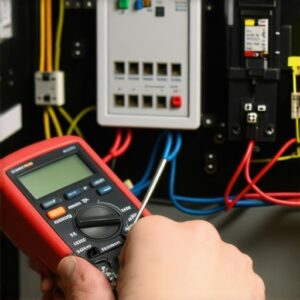
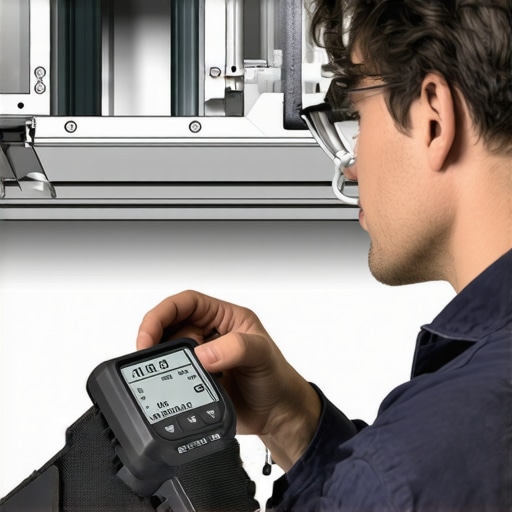
How do we actually prove the ‘cocktail straw’ theory? We don’t guess; we measure. Static pressure testing involves using a dual-port manometer to measure the resistance to airflow. We drill small holes (which we later seal with pookie or high-grade plugs) before and after the indoor coil and the filter. If the total external static pressure (TESP) is over 0.5 inches of water column on a standard residential blower, you have a problem. Often, the culprit is a return air duct that’s too small. I’ve seen homeowners spend thousands on heat pump installation only to have the unit freeze up in the summer because it couldn’t get enough return air to keep the evaporator coil above the dew point. If the air doesn’t move, the latent heat isn’t removed, and your house feels like a cold, damp swamp.
The North’s Silent Enemy: Heat Exchanger Fatigue
In cold climates where we deal with baseboard heater repair and heavy-duty furnace cycles, airflow is the only thing standing between you and a $10,000 replacement bill. When air is restricted, the heat exchanger undergoes excessive thermal expansion and contraction. It’s like bending a paperclip back and forth; eventually, it snaps. This is why static pressure testing is the most critical part of any preventative HVAC repair tips for year-round efficiency. If your technician isn’t pulling out a manometer, they aren’t diagnosing your system; they’re just looking at it. We also see this with transformer replacement needs; when a blower motor is constantly fighting high static, it draws more amperage, which can eventually strain the electrical components and the 24V control circuit.
“Designers shall use a maximum of 0.08 inches of water column per 100 feet of equivalent length for duct sizing when noise and efficiency are primary concerns.” – ACCA Manual D
Modern Solutions: Beyond the Tin
Fixing bad airflow isn’t always about ripping out every piece of metal in the basement. Sometimes it’s about leak detector integration to find where the ‘juice’ (refrigerant) is actually going or installing a larger return air plenum. In the era of 2025, we are seeing more voice control setup Alexa Google integrations, but no amount of smart home tech can fix a physical restriction in a 10-inch flex duct. We often recommend a two-stage furnace installation because it can run at a lower speed, which reduces the static pressure during the majority of its operating hours, leading to a quieter and longer-lived system. If you are struggling with uneven temperatures, it’s time to stop looking at the thermostat and start looking at the efficient HVAC repairs: the blueprint for cooler summers and warmer winters.
When to Call a Pro vs. The Sales Scam
If a tech walks into your house and says you need a new unit because your current one is ‘old’ without ever measuring the airflow, show them the door. A real pro will check the static, check the temperature rise, and maybe even suggest a wall furnace installation for that cold back room instead of trying to force more air through an already choked-off duct system. Whether you need a simple transformer replacement or a complex heat pump installation, the physics remains the same: Airflow is king. If you’re worried about your system’s longevity, check out these top HVAC repair strategies to extend your system’s life or choosing the right HVAC fixes before the next polar vortex hits. Don’t let a ‘Sales Tech’ talk you into a shiny new box that’s just going to suffocate on your old ductwork.