The Physics of the ‘Thief’: Why Your Heat Disappears
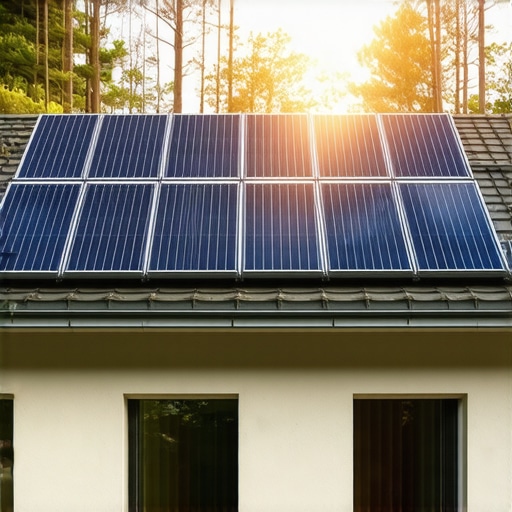
My old mentor, a man who had more soot in his lungs than a 1970s oil furnace, used to scream at me in the middle of freezing Chicago basements: ‘You can’t create heat, kid; you just move it, and nature is a thief trying to steal it back!’ He was right. Most homeowners think of their thermostat like a volume knob, but in the world of thermodynamics, it is a battle against the second law of entropy. When we talk about solar thermal heating integration, we aren’t just slapping panels on a roof; we are changing the math of how we fight that thief. If you understand how to trap sensible heat before it escapes through a poorly installed flue pipe, you stop the bleeding in your bank account.
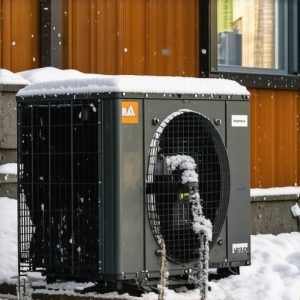
For thirty years, I have seen ‘Sales Techs’ walk into a house and see a dollar sign instead of a system. They want to sell you a 5-ton unit for a 2,000 square foot house because it is easy. But an oversized unit is a curse. In the North, where the polar vortex turns your lubricants into sludge, the goal isn’t just raw power; it is Dual Fuel Heat Pump systems and integration. Integrating solar thermal means using the sun to pre-heat the glycol or water that feeds your radiant floor heating installation. This reduces the ‘lift’ your mechanical system has to perform. When the sun does 40% of the work, your compressor doesn’t have to scream at high head pressures, and your utility bill finally stops looking like a mortgage payment.
“The most expensive equipment in the world cannot overcome a bad duct system.” – Industry Axiom
The Anatomy of the Burn: Flue Pipes and Flame Sensors
Let’s talk about the ‘guts.’ A lot of you are paying for furnace ignition repair or furnace flame sensor cleaning every single year because your ‘Tin Knocker’ didn’t understand combustion air. If a furnace can’t breathe, it can’t burn clean. A dirty flame sensor is the most common ‘scam’ call out there. A Sales Tech will tell you the board is shot and you need a $12,000 install. In reality, that sensor—a simple rod of Kanthal alloy—is just coated in silica or carbon. You clean it with a bit of Scotch-Brite, and the millivolts return to normal. But the underlying issue? It’s often poor flue pipe installation or a lack of a proper chimney liner installation. When exhaust gases cool too quickly in an oversized masonry chimney, they condense. That liquid is acidic. It eats your heat exchanger from the inside out, turning your ‘safe’ furnace into a carbon monoxide factory.
If you are integrating solar thermal, you are likely looking at a high-efficiency condensing setup. These systems utilize a secondary heat exchanger to capture latent heat from water vapor. It’s the difference between an 80% AFUE furnace and a 96% unit. That extra 16% isn’t just ‘efficiency’—it’s the difference between exhausting 400°F air out of a metal pipe and 110°F air out of a PVC pipe. If you’re serious about your home’s performance, you need to look into choosing the right hvac fixes before the snow starts falling.
The Hybrid Revolution: Dual Fuel and AI Optimization
We are entering the era of AI-driven HVAC optimization. This isn’t just a fancy thermostat; it’s an algorithm that looks at the COP (Coefficient of Performance) of your dual fuel heat pump systems and decides—based on real-time electric rates and ambient temperature—whether it’s cheaper to run the electric pump or kick over to the gas furnace. This is critical in ‘The Gap.’ The Gap is that temperature range (usually 25°F to 40°F) where heat pumps start to lose their ‘umph’ but gas furnaces are overkill. By integrating solar thermal into this mix, you provide a ‘thermal battery.’ The sun heats a storage tank during the day, and that stored energy provides the ‘prime’ for your heat pump at night.
But you can’t just throw parts at a house. You need Heat Recovery Ventilators (HRV). In cold climates, we seal houses so tight they become ‘sick.’ You’re breathing the same dander and VOCs all winter. An HRV allows you to bring in fresh, sub-zero air while using the outgoing stale air to pre-heat it. It’s thermodynamic recycling. Combine this with air purification integration, and you aren’t just saving money; you’re stopping the ‘basement cough’ that hits every February. Many of these heating service innovations are becoming standard as we move toward 2025 regulations.
“Standard 62.1-2022: Ventilation for Acceptable Indoor Air Quality requires specific outdoor air flow rates to dilute contaminants.” – ASHRAE Standards
The Infrared Alternative and Radiant Comfort
In shops or high-ceiling ‘great rooms,’ a standard forced-air system is a joke. You’re heating the ceiling while your feet freeze. That’s where infared heater installation comes in. Infrared doesn’t heat the air; it heats the objects (like you and your floor). It’s the same feeling as standing in the sun on a cold day. When we pair infrared with radiant floor heating installation, we are working with the physics of the human body. We are ‘radiant’ creatures. If the floor is 80°F, you can set the air temperature to 65°F and feel warmer than you would in a 75°F room with blowing air. That 10-degree difference is a 30% reduction in your heating bill. This is why efficient hvac repairs are about more than just fixing a broken motor; they are about system design.
If your system is struggling, don’t wait for the ‘Big Freeze.’ Identifying when furnace repair is urgent can save you from a $500 ‘holiday emergency’ trip fee. Look for the signs: the screech of a blower motor bearing (sounds like a banshee in the ductwork), the ‘pouf’ of a delayed ignition, or the sour smell of a heat exchanger that’s finally given up the ghost. Stop listening to Sales Techs who want to replace your ‘juice’ (refrigerant) when it’s a heating issue. Listen to the physics. Airflow is king, thermodynamics is the law, and everything else is just ‘pookie’ (mastic) trying to cover up a bad job.