The Silence of the System: A Forensic Diagnosis
There is a specific kind of silence that haunts a homeowner’s basement at 3 AM in the middle of a February freeze. It is the absence of the low-pitched hum from your blower motor, a silence that usually precedes a very loud, very expensive phone call to an HVAC company. As someone who has spent three decades in the trenches—dragging tools through crawlspaces that would make a rat claustrophobic—I can tell you that most ‘dead’ systems are victims of simple electrical failure, not a mechanical apocalypse. Usually, it’s a relay or a transformer that has decided to retire without notice. Before you fall prey to a ‘Sales Tech’ who tries to sell you a whole new furnace because of a minor electrical hiccup, you need to understand how to speak the language of volts and ohms.
I remember a call last winter in a drafty Victorian outside of Chicago. A ‘comfort consultant’ from a big-box firm had already been there and quoted the homeowner $14,000 for a full high-efficiency replacement, claiming the main control board and blower were ‘fried beyond recognition.’ I walked in, pulled the panel, and smelled it—nothing. No acidic tang of a burnt winding, no scorched PCB. I pulled out my multimeter, checked the 24V side of the transformer, and found… zero. A $50 transformer replacement and a quick check of the limits had that house warm in forty minutes. That homeowner didn’t need a new system; they needed an honest tech who knew how to use a meter. This is why I preach the gospel of the relay test. If you can use a multimeter, you can defend yourself against the ‘part-swappers’ who don’t understand the physics of the machine.
“The most expensive equipment in the world cannot overcome a bad duct system, but it also cannot run without a functioning 24-volt control circuit.” – Industry Axiom
Thermodynamic Zooming: The Anatomy of the Control Circuit
To understand the relay, you have to understand the sequence of operations. When your thermostat calls for heat, it doesn’t just ‘turn on’ the furnace. It closes a 24V circuit that tells a relay to wake up. This relay is an electromagnetic switch. Think of it as a gatekeeper. On one side, you have the high-voltage ‘juice’ (usually 120V or 240V) waiting to power the blower or the igniter. On the other side, you have the low-voltage control signal. When the thermostat sends that signal, the relay coil creates a magnetic field, pulling the high-voltage contacts closed. This is the heart of gas furnace repair. If that relay is stuck open, or if the coil is burnt out, your blower stays dead, and your heat exchanger starts to cook without any airflow to carry the heat away. In a northern climate, this isn’t just a comfort issue; it’s a safety hazard. If the airflow fails and the high-limit switch doesn’t trip, you’re looking at a cracked heat exchanger and a potential carbon monoxide leak. That’s why identifying when furnace repair is urgent is the difference between a cold night and a dangerous one.
Step-by-Step: The Relay Continuity Test
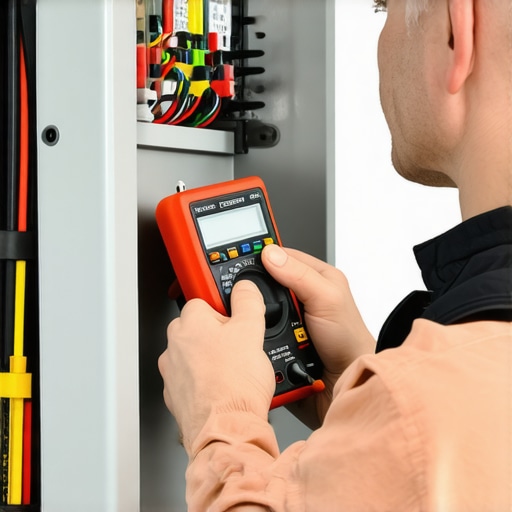
First, kill the power. I don’t care if you think you’re fast; a 120V jolt will ruin your afternoon, and a 240V hit from a blower motor replacement job can stop your heart. Once the power is dead, locate the relay on your control board or near the blower housing. You’re looking for a small plastic cube with several wires attached. Set your multimeter to the Ohms (Ω) setting. We are looking for resistance. If you touch the probes to the two pins that power the relay coil and get an ‘OL’ (Open Loop) reading, the coil is snapped. It’s dead. If you get a reading between 20 and 100 ohms, the coil is likely fine. But we aren’t done. You have to check the contacts. Switch your meter to the continuity setting (the one that beeps). While the relay is unpowered, the ‘Normally Open’ contacts should be silent. If they beep, the relay is welded shut—a common cause of a blower that won’t stop running. This level of DIY diagnostics is exactly what I discuss in my furnace repair myths debunked guide, because the ‘pros’ will tell you it’s too complicated for you to understand. It isn’t.
The Regulatory Cliff: R-454B and the Future of Comfort
We are entering a strange era in HVAC. By 2025, the industry is pivoting hard away from R-410A towards mildly flammable A2L refrigerants. Our R-454B refrigerant transition services are becoming the new standard. This means the electronics in your system are getting more complex. We are seeing more AI-driven HVAC optimization and leak detector integration built directly into the furnace cabinets to monitor for these new gases. This makes the transformer even more vital. If your transformer isn’t outputting a clean 24 volts, these sensitive AI boards will freak out and lockout your system. This is why getting a furnace tune-up services visit is no longer just about cleaning a flame sensor; it’s about verifying the integrity of the entire electrical path. Even if you’re looking into biomass boiler services or electric heater services, the fundamental physics of the relay remains the same. You need a switch that works.
“Proper sizing and airflow are more critical to system longevity than the nameplate on the box, but without electrical continuity, the best-sized system is just a heavy paperweight.” – ACCA Manual J Principles
The Math of Repair vs. Replace
When you find a bad relay or a blown transformer, the ‘Sales Tech’ will tell you it’s a sign of a dying system. Don’t believe them. A transformer replacement is a minor surgical procedure. However, if your system is over 15 years old and lacks an Energy Star heating certification, you have to weigh the cost. If I’m out there and I see ‘pookie’ (mastic) failing on the plenum and a rusted-out suction line that’s barely ‘beer can cold’ in the summer, I might suggest an upgrade. But I’ll never lie to you about a $40 relay. If you’re considering a new install, check out these AC installation secrets to see how the ‘Sparky’ and the ‘Tin Knocker’ should actually be setting up your system. Proper installation means your relays won’t be fighting high static pressure, which is what usually burns them out in the first place.
In the North, we deal with extreme sensible heat shifts. One day it’s 50 degrees, the next it’s -10. This cycling puts immense stress on the electrical components. If you are struggling with uneven temperatures, you might not have a broken relay at all; you might have a ‘static pressure’ problem. But before you start cutting into your ductwork, do the simple test. Grab your meter, check the juice, and verify the ground. Most ‘broken’ heaters just need a little electrical honesty. If you need professional backup for these high-stakes transitions, especially with the 2025 climate control innovations, don’t hesitate to reach out. We’re here to keep the heat on, not to sell you a shiny box you don’t need.