The Chemistry of Death in a Blue Box
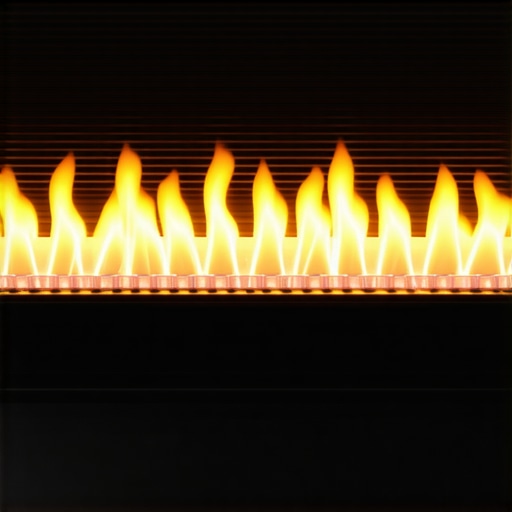
I’ve spent three decades crawl-spacing through the dark underbellies of homes in the Northeast, where the winter bite makes people do desperate things with supplemental heat. My old mentor, a man who could smell a cracked heat exchanger from the driveway, used to grab me by the collar and scream, ‘If you can’t see the blue, the burner is lying to you!’ He wasn’t talking about aesthetics. He was talking about physics. When we talk about ventless gas heater services, we aren’t just talking about keeping your toes warm; we’re talking about the thin line between efficient combustion and a silent, odorless visit from the grim reaper. A yellow flame in a ventless unit isn’t a ‘cozy glow’—it’s a symptom of incomplete combustion and a localized manufacturing plant for Carbon Monoxide (CO).
“Vent-free gas heating appliances shall be sized so that the maximum heat input does not exceed 20 BTU per hour per cubic foot of the room space.” – NFPA 54 / ANSI Z223.1 National Fuel Gas Code
In a properly tuned burner, the gas (the ‘juice’) meets the oxygen in a perfect ratio. This produces a crisp, steady blue flame that signals the total oxidation of hydrocarbons. When that flame turns yellow or orange, it’s a sign that the oxygen-to-fuel ratio is trashed. You’re no longer getting a clean burn; you’re getting ‘sooting’ and CO. In the North/Cold climate zone, where these units are often used to supplement aging steam boiler repair jobs or biomass boiler services, the stakes are higher because the house is usually sealed tighter than a drum to keep the heat in. This prevents fresh air infiltration, meaning your ventless heater is competing with you for the same oxygen.
The Forensic Diagnosis: Anatomy of a Failing Burner
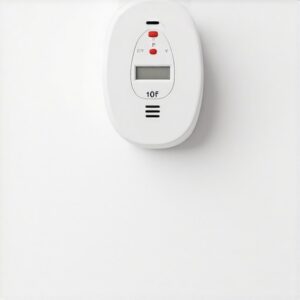
When I walk into a house for a heating maintenance plan visit and see a yellow-tipped flame on a ventless unit, I don’t reach for a sales brochure; I reach for my manometer and my CO detector. Most ‘Sales Techs’ will tell you the unit is shot and try to upsell you on solar thermal heating integration before they even check the primary air shutter. Don’t fall for it. Often, the issue is as simple as dust bunnies or pet hair clogging the venturi tube. Because ventless heaters pull air directly from the floor level, they act like a vacuum cleaner. If you haven’t performed a furnace filter replacement in your central system, or if you’ve been skipping the dusting, that debris enters the burner and disrupts the flow. This is why static pressure testing is just as vital for small units as it is for massive duct systems—airflow is the lifeblood of combustion.
If cleaning the burner doesn’t fix the yellow flame, we look at the gas pressure. A failing regulator or a bad contactor repair on an associated blower can cause the flame to ‘lazy out.’ When the gas pressure drops, the velocity of the gas leaving the orifice isn’t high enough to pull in enough primary air. The result? A yellow, flickering mess that’s coating your walls in microscopic soot. This is a primary reason why identifying when furnace repair is urgent is a life-saving skill. A yellow flame isn’t a ‘maybe later’ problem; it’s a ‘shut it off now’ problem.
Thermodynamic Zooming: Latent Heat and the Moisture Trap
One thing the manufacturers don’t emphasize enough is that ventless gas heaters are 99.9% efficient, but there is a hidden cost: water vapor. For every gallon of propane or therm of natural gas burned, you’re dumping nearly a gallon of water into your air. In a cold climate, this spike in latent heat feels great initially, but it quickly leads to condensation on windows and, eventually, mold inside your wall cavities. This is where HVAC load calculation services become critical. If you oversized the unit because you thought ‘bigger is better,’ you’re creating a swamp. The unit cycles off before the room is truly conditioned, leaving you with cold, damp air. To counter this, many modern high-end setups utilize occupancy sensor installation to ensure the unit only runs when the room is in use, preventing the moisture buildup from reaching critical mass.
The Mechanical Integrity of the System
Beyond the flame, we have to look at the ‘organs’ of the heating system. If your ventless unit is part of a larger strategy involving solar thermal heating integration or even a biomass boiler, you need to ensure the controls are talking to each other. I’ve seen ‘Sparkies’ (electricians) wire up sensors that conflict with the heater’s internal Oxygen Depletion Sensor (ODS). The ODS is a safety device that shuts the gas off if room oxygen drops below 18%. If that pilot flame—which is also the ODS—starts to lift or turn yellow, it won’t heat the thermocouple properly, and your heater will keep tripping. Don’t bypass it. That’s a ‘Tin Knocker’ move that gets people killed. Instead, look at the health of your entire system, including top HVAC repair strategies that focus on sensor calibration and gas line integrity.
“Total static pressure is the sum of the resistance to airflow created by the equipment, the ductwork, and the accessories.” – ACCA Manual D
If you’re noticing a lingering smell—something like rotten eggs or a sharp, acidic ‘burnt’ odor—you might have a refrigerant leak detection issue in a nearby heat pump, or more likely, a gas leak. Use the ‘soap bubble’ test on the fittings, or better yet, call a pro who knows how to use an electronic sniffer. We often find that a ‘yellow flame’ is actually caused by the gas being contaminated with ‘Pookie’ (mastic) or pipe dope that some hack used too much of during installation. This gunk gets into the orifice and ruins the spray pattern.
Repair vs. Replace: When to Pull the Plug
I’m a repair-first guy. I hate the ‘box-swappers’ who dominate the industry today. However, there is a limit. If your ventless heater has a cracked ceramic plaque, a rusted-out burner tube, or if the ODS has been failing repeatedly, it’s time to look at efficient HVAC repairs versus a total replacement. Modern units have better sensors and more robust burners that handle the ‘monsoon effect’ of indoor humidity better than the old ‘blue flame’ specials from the 90s. If you’re constantly dealing with steam boiler repair issues and relying on these ventless units as a primary heat source, you’re playing a dangerous game with your home’s air quality. Transitioning to a properly sized, vented system or a high-efficiency heat pump is often the smarter long-term move for both safety and heating service hacks for comfort.
The Airflow Manifesto
At the end of the day, a yellow flame is just a cry for help from a machine that can’t breathe. Whether it’s a furnace filter replacement that’s been ignored for three years or a ventless heater sitting in a dusty corner, the physics remain the same: you can’t have fire without air. My advice? Don’t wait for the CO alarm to scream. Get a static pressure testing expert to look at your home’s envelope, ensure your HVAC maintenance plans include a combustion analysis, and never, ever ignore a flame that isn’t a crisp, sharp blue. Comfort isn’t just about the temperature on the dial; it’s about the chemistry of the air you’re breathing. If you’re unsure about your current setup, checking out choosing the right HVAC fixes can save you thousands in unnecessary equipment costs while keeping your family safe from the yellow-flame trap.