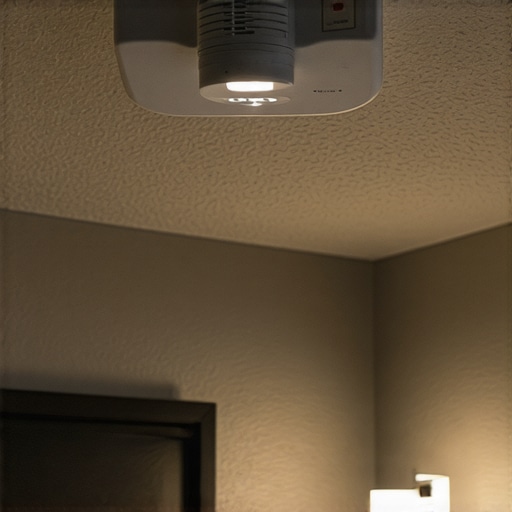
It is 3:00 AM. The house is dead silent until a shrill, piercing chirp cuts through the darkness. It is not the rhythmic ‘change my battery’ beep of a smoke alarm; it is the frantic, persistent scream of your Carbon Monoxide (CO) detector. Your heart races, your mind fogs, and you are faced with a choice that could quite literally determine if you wake up tomorrow. As an HVAC technician who has spent thirty years sniffing out cracked heat exchangers and clogged flues, I am here to tell you that this is not the time for guesswork. Carbon monoxide is the ‘silent killer’ because it is colorless, odorless, and tasteless. When that alarm goes off, your furnace or boiler is no longer your friend; it is a potential chemical weapon. My old mentor, a grizzled tin knocker who could smell a gas leak from the curb, used to scream at me, ‘You can’t cool what you can’t touch, and you can’t breathe what you’ve poisoned! Combustion is a marriage, and the flue is the divorce—if that divorce doesn’t happen, everyone dies.’ He was obsessed with airflow because he knew that 90% of CO issues stem from poor venting or starving a fire of oxygen.
‘The presence of carbon monoxide is an indication of incomplete combustion and is a highly toxic gas that must be vented to the outdoors.’ – EPA Section 608 guidelines
In the frozen North, where steam boiler repair and furnace ignition repair are the bread and butter of our winters, we see the ‘Blue Flame Myth’ all the time. People think if they see blue, they are safe. But a furnace with a hairline fracture in the heat exchanger can still burn blue while dumping PPMs of CO into your ductwork. When that detector beeps at midnight, the forensic diagnosis begins. First, get everyone out of the house. No exceptions. Do not stop to open windows; just leave. Once you are safe, you need to understand the mechanical anatomy of what went wrong. Usually, it is a failure of the heat exchanger—the steel ‘lungs’ of your furnace that keep the combustion gases separate from the air you breathe. If that steel cycles too many times or the system was oversized, it cracks. This is why identifying when furnace repair is urgent is the difference between a headache and a hospital stay. We also see issues with the flue. In high-efficiency systems, we use PVC pipes to vent. If a bird builds a nest in that pipe or ice blocks the terminal, the gases back up. The pressure switch should shut the unit down, but switches fail. That is where ‘Sparky’ (the electrician) or your HVAC tech needs to step in to verify the safety circuit. If you are running a boiler, school boiler maintenance protocols show us that scale buildup can cause localized overheating, leading to stress cracks that leak gases. Whether it is a fireplace insert service gone wrong or a relay service failure that kept the inducer motor from spinning up, the result is the same: toxic air.
‘All combustion appliances shall be vented in accordance with the manufacturer’s instructions and the National Fuel Gas Code.’ – ACCA Manual J Standards
If your system is old, you might be tempted to just keep patching it. But the math of repair versus replacement is brutal. A $500 heat exchanger repair on a 20-year-old unit is throwing good money after bad. We are seeing a massive shift in the industry toward heating service innovations in 2025, specifically with inverter-driven compressors and ductless mini-split installation. These systems don’t rely on burning fossil fuels in your basement, which eliminates the CO risk entirely. If you’re sticking with gas, though, you need to be religious about preventative maintenance contracts. I have walked into homes where the ‘Pookie’ (mastic) on the plenum was the only thing holding the unit together. That isn’t craftsmanship; it’s a hazard. When we do an AC installation or a furnace swap, we don’t just look at the ‘juice’ (refrigerant) or the gas pressure. We look at the static pressure of the entire house. If the house is too tight—a common problem with modern ‘green’ building—the furnace can actually back-draft, pulling its own exhaust back down the chimney because it’s starving for air. This is why programmable thermostat programming isn’t just about saving five bucks; it’s about managing cycles to prevent the ‘short cycling’ that stresses the metal components. If you find yourself in a midnight emergency, call the fire department first, then call a professional. Don’t fall for the ‘Sales Tech’ who tries to sell you a whole new system before even checking the thermocouple or the flame sensor. But do listen when a real tech shows you a crack in the metal. That isn’t a sales pitch; it’s a life-saving diagnosis. For those in colder climates, ensuring your steam boiler repair or furnace ignition repair is handled before the first frost is vital. You don’t want to find out your flue is blocked when it’s -10°F outside. Remember, comfort is physics, not magic. And safety is the foundation that physics sits on. Check your detectors, schedule your preventative hvac repair, and never ignore a chirp in the dark.