Why Your Garage Door Cable Snapped and How to Stop It From Happening Again
It usually happens at the worst possible moment. You are pressing the button to leave for work in San Francisco, or perhaps you are pulling into your driveway in Houston after a long day. Suddenly, there is a sound like a gunshot – a violent, metallic crack that echoes through the garage. The door jerks, hangs at a sickening angle, or crashes to the floor. You have just experienced a snapped garage door cable.
As the largest moving object in your home, a garage door relies on a complex balance of weight and counterweight. When a cable fails, that balance is destroyed, turning a convenient home feature into a massive safety hazard. At Heat Pros Services, led by industry veteran Gary Staats, we specialize in garage door repair bay area and across Texas, helping homeowners navigate these high-pressure situations safely. Whether you need emergency garage door repair or are looking for ways to prevent the next breakdown, understanding the “why” behind cable failure is the first step toward a safer home.
In this comprehensive guide, we will dive deep into the mechanics of your door, the environmental factors that lead to failure, and why garage door cable replacement is a task that should never be handled by an untrained amateur.
The Anatomy of a Garage Door System: More Than Just a Motor
To understand why a cable snaps, you first have to understand what it actually does. Many homeowners mistakenly believe the garage door opener (the motor on the ceiling) does all the heavy lifting. In reality, the opener is just the “brain” that initiates the movement. The “muscles” of the system are the springs and the cables.
The garage door system operates on a principle of counterbalance. Most doors weigh between 150 and 400 pounds. To lift this weight easily, the system uses either torsion springs (mounted on a bar above the door) or extension springs (mounted along the tracks). The cables are the vital link that transfers the immense energy stored in those springs to the door itself.
Cables, Drums, and Brackets
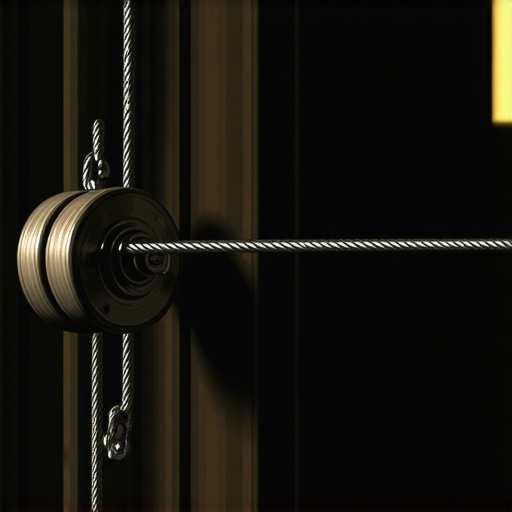
The cables are typically made of aircraft-grade galvanized steel, comprised of multiple strands of wire twisted together for strength. They are attached to the bottom brackets of the garage door and run up to the cable drums. As the door opens, the drums spin, neatly winding the cable and lifting the door. When the door closes, the cables unwind, controlling the descent.
This system is under extreme tension – often hundreds of pounds of force. If any component in this chain fails, the cable is the piece that usually bears the brunt of the mechanical stress. Understanding these complexities is similar to understanding other home systems; for instance, Choosing the Right HVAC Fixes: What Homeowners Need to Know highlights how interconnected home mechanics truly are. If one part of your garage door is out of alignment, the entire system is at risk.
5 Common Reasons Why Garage Door Cables Snap
In our years of providing bay area garage doors service and repairs in the humid climates of Texas, we have identified five primary culprits behind cable failure. Gary Staats notes that while cables are designed to last years, specific environmental and mechanical stressors can cut their lifespan in half.
1. Corrosion and Rust: The Silent Killer
In the San Francisco Bay Area, salt air and high humidity are constant threats. In Houston, the intense moisture performs a similar role. When moisture penetrates the individual strands of the steel cable, it begins to oxidize. Rust creates friction between the strands and eats away at the metal’s integrity. Over time, the cable becomes brittle. A rusted cable doesn’t just break; it disintegrates under tension.
2. Fraying and Wear
Cables are made of many small wires. As the cable travels over the pulley or winds onto the drum, it experiences friction. If the door is slightly out of alignment, the cable might rub against the track or the side of the drum. This causes “fraying,” where individual wires snap and stick out like tiny silver hairs. Once a few strands break, the remaining wires have to carry more weight, leading to a rapid “zipper effect” where the entire cable eventually fails.
3. Improper Tension and “Jumping” the Drum
This is a common issue found during urgent garage door repair calls. If the door hits an obstruction while closing, or if the springs are not balanced correctly, the cable can lose tension. When a cable goes slack, it can slip off the grooves of the drum. The next time the door moves, the cable might get caught between the drum and the wall, or it might wind unevenly. This “tangling” puts localized stress on the cable that it wasn’t designed to handle, causing it to snap instantly.
4. Pulley and Bearing Wear
In systems with extension springs, the cables run through a series of pulleys. If the bearings in these pulleys seize up, the pulley stops spinning. Instead of rolling over the wheel, the cable slides across it. This metal-on-metal friction generates heat and grinds down the cable. If you hear a high-pitched squealing when your door moves, your pulleys may be failing, and a garage door cable repair is likely in your near future.
5. Spring Failure and Weight Overload
Often, a snapped cable is actually a secondary symptom of a broken spring. When you need to fix garage door spring issues, the cable is often the first thing to go. If a torsion spring snaps, the door’s weight is no longer counterbalanced. The cables, which were designed to assist the lift, are suddenly forced to hold the entire dead weight of the door. Under this sudden, massive load, the cable often snaps at its weakest point – usually the bottom bracket or the loop near the drum.
The Dangers of DIY Cable Repair
We live in an age of YouTube tutorials, but garage door cable replacement is one area where DIY can be deadly. Gary Staats and the team at Heat Pros Services cannot emphasize this enough: the tension involved in a garage door system is enough to cause severe injury or death.
- The Recoil Effect: When a cable is under tension and is cut or released improperly, it acts like a whip. A steel cable snapping back at high speed can cause deep lacerations or eye injuries.
- The Weight of the Door: Without the cables and springs working together, the door is essentially a several-hundred-pound guillotine. If you are working on the cables and the door falls, it can crush limbs or damage your vehicle.
- The Torsion Danger: To replace a cable, you often have to work near the torsion spring. These springs are wound with immense force. One slip of a winding bar can result in broken bones.
Much like how we advise homeowners when to call for furnace repair services instead of trying to DIY, garage door mechanics require specialized tools and safety training. Professional technicians use winding bars, locking pliers, and specific safety protocols to ensure the door remains stable throughout the repair process.
Signs Your Cable is About to Fail
The best way to fix garage door issues is to catch them before the “big snap.” Prevention is always cheaper and safer than emergency repairs. Here is what Gary Staats recommends looking for during a monthly visual inspection:
Visual Cues
- “Fuzzy” Cables: Look for any thin wires sticking out from the main cable. If it looks frayed or “fuzzy,” it needs immediate garage door cable replacement.
- Rust and Discoloration: Look at the bottom 12 inches of the cable near the floor. This is where water and salt collect. If you see heavy rust or white oxidation, the cable is compromised.
- Uneven Door: If your door looks crooked when it’s closed, or if one side seems to “lag” when opening, one cable may have stretched or partially slipped off the drum.
Auditory Cues
- Scraping or Popping: If you hear a metallic scraping sound, the cable might be rubbing against the track. A popping sound often indicates the cable is “jumping” in the drum grooves.
- Straining Motor: If your garage door opener repair needs seem frequent, it might be because the motor is struggling against a frayed cable or an unbalanced door.
If you notice any of these signs, don’t wait. An urgent garage door repair visit now can save you from a total system collapse later.
Professional Solutions and Prevention
When Heat Pros Services arrives for a garage door repair bay area call, we don’t just swap out the cable and leave. We perform a root cause analysis. Why did it snap? If we don’t fix the underlying cause – such as a worn pulley or an unbalanced spring – the new cable will just snap again in six months.
Our Repair Process
- Securing the Door: We use professional-grade clamps to ensure the door cannot move while we work.
- Tension Release: We safely unwind the springs to remove tension from the cable system.
- Component Inspection: We check the drums for grooves, the pulleys for bearing wear, and the tracks for alignment.
- High-Quality Replacement: We use heavy-duty, galvanized steel cables that meet or exceed OEM specifications.
- Re-Balancing: We wind the springs to the exact specification required for your door’s weight, ensuring smooth, effortless operation.
The Power of Preventative Maintenance
The most effective way to avoid a snapped cable is through regular maintenance. Lubrication is key. Using a silicone-based garage door lubricant on the rollers, hinges, and the cables themselves can prevent rust and reduce friction. However, many homeowners forget this simple task.
This is where professional maintenance pays off. We often discuss the math of preventative maintenance contracts: how they pay for themselves in one visit. A yearly tune-up from a professional can identify a $15 pulley issue before it turns into a $500 emergency repair involving cables, springs, and a damaged door panel.
Commercial Garage Door Repair: A Different Beast
For our clients in the Fort Worth and Houston areas running warehouses or storefronts, commercial garage door repair is even more critical. Commercial doors are cycled dozens of times a day. The cables on these doors are thicker and under even higher tension. A snapped cable in a commercial setting doesn’t just ruin a morning; it halts production, prevents deliveries, and creates a massive liability for employees. Heat Pros Services offers specialized high-cycle cables designed for the rigors of industrial use, ensuring your business stays in motion.
Conclusion: Don’t Wait for the Bang
A snapped garage door cable is more than a nuisance; it is a signal that your door’s safety system has failed. Whether it was caused by the salty mist of the San Francisco Bay or the heavy usage of a Texas commercial warehouse, the result is the same: a dangerous, heavy door that puts your family or your business at risk.
From garage door spring replacement to fix garage door opener issues, Gary Staats and the team at Heat Pros Services are dedicated to providing the highest level of expertise and safety. We pride ourselves on being the go-to experts for garage door repair bay area residents and Texas property managers alike.
Don’t wait until you hear that “loud bang” in the middle of the night. If you see signs of fraying, rust, or uneven movement, take action today. Contact Heat Pros Services for a professional inspection and ensure your garage door remains a safe, reliable part of your home.