Why Your Main Electrical Panel Might Be Blocking Your Next AC Upgrade
There is nothing quite like the excitement of finally deciding to upgrade your home’s cooling system. You’ve done the research, compared SEER2 ratings, and you’re ready to trade that rattling, energy-guzzling relic in your backyard for a whisper-quiet, high-efficiency heat pump or air conditioner. But as a Master Electrician and HVAC designer with decades in the field, I often have to be the bearer of “the invisible wall” news. You see, your new AC doesn’t just sit on a pad outside; it lives and breathes through your home’s electrical heart – the main service panel.
I’ve walked into countless homes where the homeowner is ready to sign a contract for a top-of-the-line cooling system, only for us to realize the existing electrical infrastructure is stuck in 1975. If your panel is maxed out or underpowered, that shiny new unit won’t just perform poorly – it might not be allowed to be installed at all. Understanding Choosing the Right HVAC Fixes: What Homeowners Need to Know starts with looking at the wires before the ductwork.
The Math of Modern Cooling: Why ACs Aren’t “Plug and Play”
In the “good old days,” home electrical needs were simple: a few lights, a refrigerator, and maybe a toaster. Today, we are charging EVs, running high-end gaming PCs, and powering sophisticated HVAC systems. Modern air conditioners and heat pumps are marvels of engineering, but they are power-hungry. While they are more efficient than older units, they often require more stable, dedicated power than an aging 60-amp or 100-amp service can reliably provide.
When I perform a load calculation for a new installation, I’m looking at the “Total Connected Load.” A typical modern central AC unit or heat pump usually requires a 30-amp to 50-amp dedicated circuit. If you only have a 100-amp main panel, and you’re already running an electric range, a dryer, and a water heater, you are effectively redlining your electrical system. This is one of the primary reasons Why SEER2 Standards Make Older AC Units Obsolete Overnight; the newer equipment demands a level of electrical precision that old panels simply can’t deliver.
The industry standard for a modern home is now a 200-amp service. This provides the “headroom” necessary to handle the high-amperage draw of an AC compressor when it kicks on without starving the rest of your house of power. Without this capacity, you risk frequent outages and equipment damage.
3 Signs Your Panel is the Ultimate Bottleneck
How do you know if your panel is going to stand in the way of your summer comfort? As an electrician, I look for these three red flags during every initial consultation.
1. The “Full House” (No Open Slots)
Open your breaker box. Do you see any empty spaces where a new double-pole breaker could fit? A new AC requires its own dedicated circuit, which takes up two slots in your panel. If your panel is “tapped out” and filled with “tandem” breakers (those skinny breakers that fit two circuits into one slot), you’ve hit a physical bottleneck. Trying to cram more into a full panel is a recipe for heat buildup and failure.
2. Flickering Lights
Does the living room lamp dim for a split second when the refrigerator or your current AC starts up? This is a classic symptom of voltage drop. It means your system is struggling to pull the “inrush current” required to start a compressor. If your current system causes this, a newer, more powerful unit will only exacerbate the problem. This is a clear sign that Why Flickering Lights When the AC Starts is a Job for an Electrician.
3. Age & Amperage
If your home was built before 1980 and hasn’t been updated, you likely have a 100-amp service – or worse, an old fuse box. Many of these older panels, particularly brands like Federal Pacific or Zinsco, are known safety hazards that struggle with modern loads. In these cases, a full electric panel upgrade Bothell WA isn’t just a recommendation; it’s a prerequisite for a safe HVAC installation.
The Hidden Dangers of “Squeezing It In”
I’ve seen some “trunk-slammer” contractors try to bypass these issues by double-tapping breakers or using undersized wire just to get the unit running and collect a check. This is incredibly dangerous. Overloading an electrical panel leads to excessive heat. Over time, this heat degrades the insulation on your wiring and can lead to a residential electrical fire.
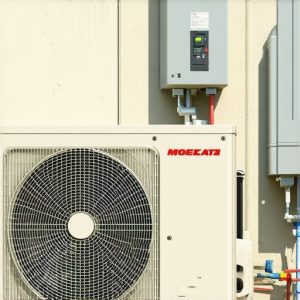
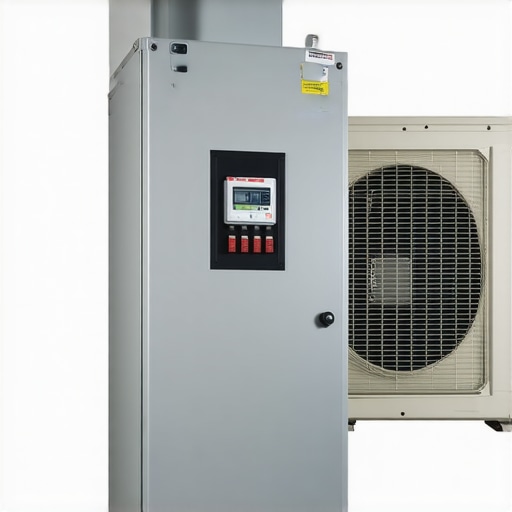
We also see issues at the “finish line” of the electrical run. If the main panel is struggling, the heat often manifests at the outdoor disconnect. We’ve seen cases where an outdoor AC disconnect box is melting because the system was pulling more current than the aged infrastructure could handle. When the compressor tries to start against a low-voltage situation caused by an inadequate panel, the amperage spikes even higher, creating a vicious cycle of heat and hardware failure. This is often Why Your AC Breaker Trips Every Time the Compressor Tries to Start.
What Does an Electrical Upgrade Actually Cost? (2024/2025 Pricing)
I know, no one likes a surprise expense. But think of an electrical upgrade as the foundation of your home’s energy future. Here is what we are seeing for pricing in the current market:
- Standard 100A to 200A Upgrade: Typically ranges between $1,300 and $3,000. This includes a new panel, new breakers, and a new service entrance cable.
- Extensive Rewiring or Relocation: If your panel needs to be moved to meet modern codes (like moving it out of a closet or away from a gas meter), costs can reach $5,000 or more.
- Panel-Only Swap: If your service capacity is fine but the panel itself is a dangerous brand or damaged, a swap can cost between $800 and $1,200.
While these numbers might seem high, remember that How High-Efficiency AC Installation Requires a Dedicated Electrical Circuit is a non-negotiable for safety and warranty compliance. Most manufacturers will void your warranty if the unit fails due to “dirty” power or improper electrical supply.
The Refrigerant Factor: R-454B and Your Electrical Load
The HVAC world is currently undergoing a massive shift due to the transition to new refrigerants like R-454B. These new systems are designed to be much more environmentally friendly, but they also come with more advanced electronic controls and sensors. Many of these units utilize inverter-driven compressors.
The good news? Inverter-driven compressors actually help with “inrush current.” Instead of a massive 100-amp spike at startup, they ramp up slowly. However, the sensitive electronics in these units are even more susceptible to damage from the power surges and voltage fluctuations common in old, overloaded panels. Moving to R-454B: What the Refrigerant Transition Means for Your Next AC means you need a stable, clean electrical “diet” for your equipment. If you want to see the long-term savings, you have to provide the right environment. How Inverter-Driven Compressors Actually Slash Your Monthly Power Bill is only possible if the “brain” of the unit isn’t being fried by a 40-year-old breaker box.
Why You Need an Electrician Who Speaks “HVAC”
When you’re ready to move forward, don’t just call any handyman. You need an electrician HVAC expert Mill Creek WA. Why? Because the NEC (National Electrical Code) requirements for HVAC equipment are specific. There are calculations for “Minimum Circuit Ampacity” (MCA) and “Maximum Overcurrent Protective Device” (MOPD) that a standard residential electrician might not deal with every day.
A specialized pro understands that your HVAC tech is focused on the refrigeration cycle, but the electrician is responsible for the “juice.” If they don’t coordinate, you end up with a system that fails inspection or, worse, fails during a heatwave. There are The Specific Reasons Your HVAC Tech Just Told You to Call a Licensed Electrician, and usually, it’s because they’ve spotted a code violation in your panel that they aren’t licensed to touch. If you find Why Your AC Keeps Blowing Fuses and When to Call an Electrician is your daily reality, it’s time to stop the patchwork fixes.
Conclusion: Don’t Let Your Panel Leave You in the Heat
Your electrical panel is the heart of your home, and your HVAC system is the lungs. You can’t expect the lungs to work if the heart can’t pump enough blood. Before you invest thousands in a new cooling system, spend a few hundred on a professional load calculation and panel inspection. It’s the only way to ensure your investment is safe, efficient, and capable of keeping you cool for the next 15 to 20 years.
If you’re ready to upgrade but aren’t sure if your home can handle the load, reach out to professional HVAC installers who have the electrical expertise to do the job right the first time. Don’t wait for a blown fuse in the middle of July to realize your panel was the bottleneck all along.